Guides5 min read
Reading a label without falling for it
The four words on packaging that mean something, and the nine that legally mean nothing.

Marcus BellFounder & head buyer · 21 Dec 2026
The front of a pack is advertising. The back is information. Most of us read the front, because that is where the big letters and the pictures of sunlit fields are, and most of what is written there has been chosen to make you feel something rather than tell you something. A handful of terms, though, are tied to rules that producers have to meet and can be checked on. Learn those four, learn to shrug at the nine that carry no fixed legal meaning in most places, and a label becomes a quick, useful read rather than a pitch.
Where the real information lives
Before the words themselves, a habit: turn the pack over. In the UK and EU, and in many other markets, the back or side of the pack carries the parts producers are required to show, including the ingredients list in descending order of weight, the allergens (highlighted in the UK and EU), the nutrition table per 100 g, the date mark and storage instructions. The front can say almost anything that is not actively misleading. The back has to be accurate.
The ingredients list is the most honest thing on the box. If a "strawberry" yoghurt lists sugar before strawberries, there is more sugar than fruit. If a short list of recognisable ingredients becomes a long one, the product has been engineered for shelf life or price, which is not always bad, but is worth knowing.
The four words that mean something
1. Use by
This is a safety date, found on food that goes off quickly: fresh meat, fish, many dairy products and ready meals. After the date, the food may not be safe even if it looks and smells fine, so do not eat it, cook it or freeze it past this point. Freezing before the date is fine, and pauses the clock. Follow any storage instructions alongside it, such as "keep refrigerated at 5 °C or below".
2. Best before
This is about quality, not safety. After a best before date, a packet of pasta, a tin of tomatoes or a bag of oats may be a little less crisp or aromatic, but it is generally fine to eat if it has been stored as directed and the pack is intact. Eggs are the exception people ask about most: in the UK they carry a best before date, and official advice there is that they can be eaten for a short while after it only if cooked thoroughly, until the white and yolk are solid. Use your senses, and when in doubt, leave it out.
Shop this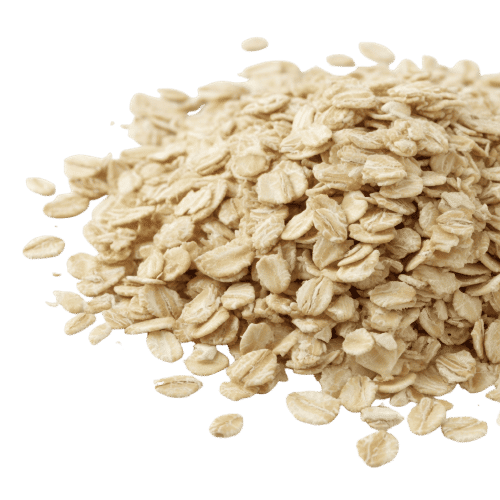

$3.15$3.90
$3.85
3. Organic
In the UK, the EU and the US, among others, "organic" is a protected term. Food sold as organic has to be produced to a defined standard and certified by an approved body, and the pack will carry that body's code or logo. It tells you something specific about how the food was grown or reared. It does not, on its own, tell you the food is more nutritious or better tasting; our piece on organic vs regular weighs up where the premium earns its keep.
4. Free-range
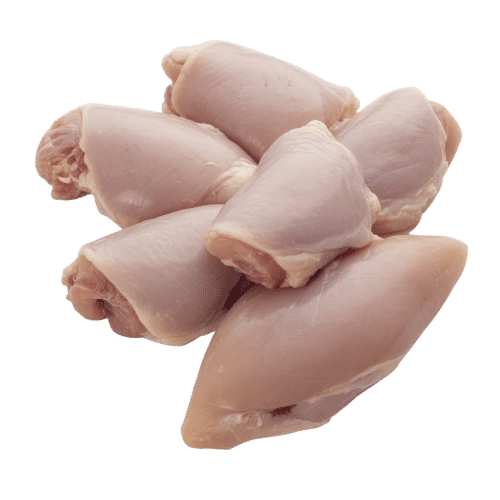
For eggs and poultry meat in the UK and EU, "free-range" is defined by marketing rules that set requirements such as access to outdoor space. On eggs, the printed code tells you the system: 0 for organic, 1 for free-range, 2 for barn and 3 for caged. Rules differ elsewhere, and for other meats the term is often looser, so check which product it is attached to.
Shop this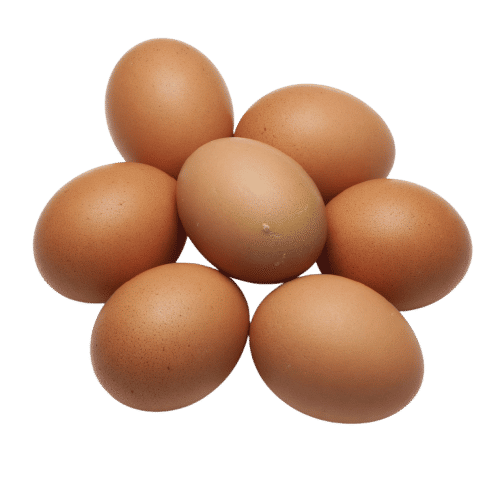
$3.90$4.50
$8.60$9.90
The nine that mean almost nothing
These words are not lies, exactly. They are simply not tied to a fixed legal definition in most markets, so one producer's "artisan" can be another's factory line. Some countries publish guidance on a few of them, but guidance is not a standard you can check.
- 1Natural. On the front of a pack, largely a marketing word. (Specific phrases such as "natural flavouring" do have defined meanings in the UK and EU, which is a different thing.)
- 2Farm fresh. Every egg and vegetable came from a farm. The word says nothing about how long ago.
- 3Artisan. No agreed size, method or number of hands involved.
- 4Hand-crafted. Similar. A single manual step can be enough to justify it.
- 5Premium. A price position, not a quality standard.
- 6Wholesome. A feeling, not a measure.
- 7Gourmet. Says more about the packaging budget than the contents.
- 8Clean. Has no agreed meaning for food at all.
- 9Country-style. Describes a look or a recipe, not where or how it was made.
When you see one of these, go back to the ingredients list and the nutrition table. They will tell you what the word will not.
A thirty-second label check
For anything new in your basket, this routine is enough:
- Turn it over and read the first three ingredients. They make up most of the product.
- Compare per 100 g, not per portion. Portion sizes vary wildly between brands and are often smaller than anyone eats.
- Find the date mark and note which kind it is: use by for safety, best before for quality.
- Look for a certification mark if you are paying extra for organic or free-range, rather than trusting a picture.
- Ignore the adjectives. Anything in the list of nine above can be skipped.
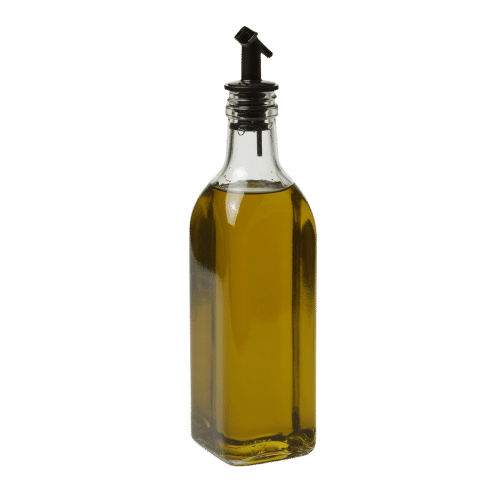
Single-ingredient foods make this almost effortless. A bag of lentils or a bottle of olive oil has one line of ingredients, and what matters is the grade and the date rather than the story.
Shop this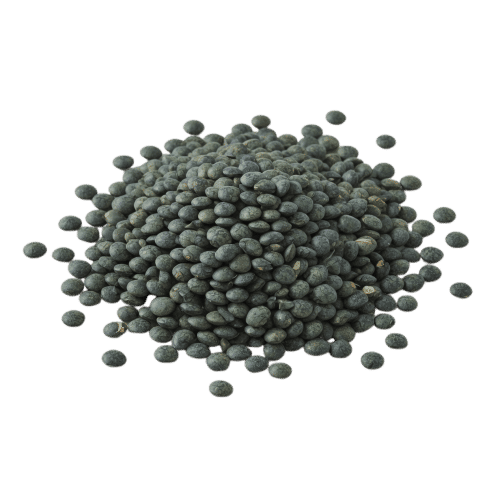
$4.25
$8.90$10.50
Read one pack tonight
Take one packet from your cupboard, something you buy every week, and read the back properly for the first time. Check the first three ingredients, the per-100 g sugar and salt, and the kind of date mark. That one pack will teach you more than any list. When you next restock, the pantry aisle and eggs are a good place to put the habit to work.
Filed underGuides
Keep reading
All articles Guides7 min read10 essential grocery items every home should haveThe short pantry list that turns a bare kitchen into one that can cook almost anything on a Tuesday night.
 Money5 min readSmart grocery shopping tips to save money every weekSmall habit changes at the shelf edge that quietly take twenty percent off a weekly shop.
 Fresh5 min readHow to choose fresh fruits and vegetables like a proWeight, skin, smell and stem — the four checks a greengrocer runs in about two seconds.