Money5 min read
Smart grocery shopping tips to save money every week
Small habit changes at the shelf edge that quietly take twenty percent off a weekly shop.

Marcus BellFounder & head buyer · 03 Feb 2027
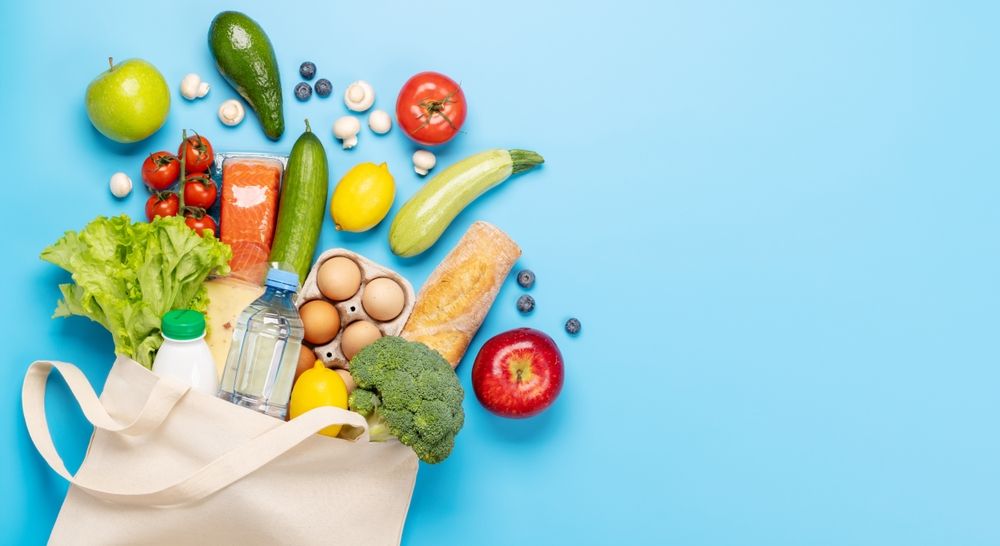
Most advice about saving money on food asks you to change how you live: cook everything from scratch, give up meat, shop at four different places. The savings that actually last are smaller and quieter than that. They happen in the few seconds you spend at the shelf edge, deciding which pack to pick up and how many. Get seven of those small decisions right, week after week, and for many households the total comes down by something close to a fifth, without eating any differently.
Why habits beat budgets
A budget is a number you check once the money is already spent. A habit works before you reach the till. The difference matters because most overspending is not one big purchase; it is a dozen slightly worse choices, each costing a little, spread across a trolley. Nobody notices the extra on a single pack of chicken. Everybody notices it across a year.
The habits below share one feature: none of them takes more than a few seconds, and none of them requires you to buy less food. They just make sure you pay a fair price for the food you were going to buy anyway, and that less of it ends up in the bin.
Seven habits at the shelf edge
1. Read the unit price, not the sticker
The large number on a shelf label is the pack price. The small one underneath, per kilo or per litre, is the only fair way to compare. Bigger packs are usually cheaper per kilo, but not always: promotions on smaller sizes can flip it, and "family packs" of meat are sometimes priced higher per kilo than the standard tray beside them. Make the small number the one your eye goes to first.
2. Look above and below eye level
The products at eye height are often the ones a shop most wants to sell, not necessarily the best value. Own-label rice, oats, tinned tomatoes and frozen vegetables tend to sit on the bottom shelf and are frequently made to a very similar specification. Try the cheaper version once. If you cannot tell the difference, you have saved on that line for good.
3. Buy loose when you need less
Pre-packed produce is priced for convenience and often sold in quantities that suit the packer rather than you. Buying loose onions, carrots or apples lets you take exactly the four you will use. The saving is less in the price per kilo than in not paying for the two that go soft at the back of the drawer.
4. Let the freezer cover what is out of season
Frozen peas and berries are picked and frozen at their peak, and out of season they often cost a fraction of the fresh equivalent per kilo. They also do not spoil halfway through the week. Keep fresh for what is in season and cheap; let the freezer handle the rest.
Shop this

$1.85$2.30
Frozen Mixed Berries — Strawberries, Raspberries & Blackberries
Frozen Fruit / Cold Press Co
No reviews yet$4.10$5.20
5. Choose the harder-working cut
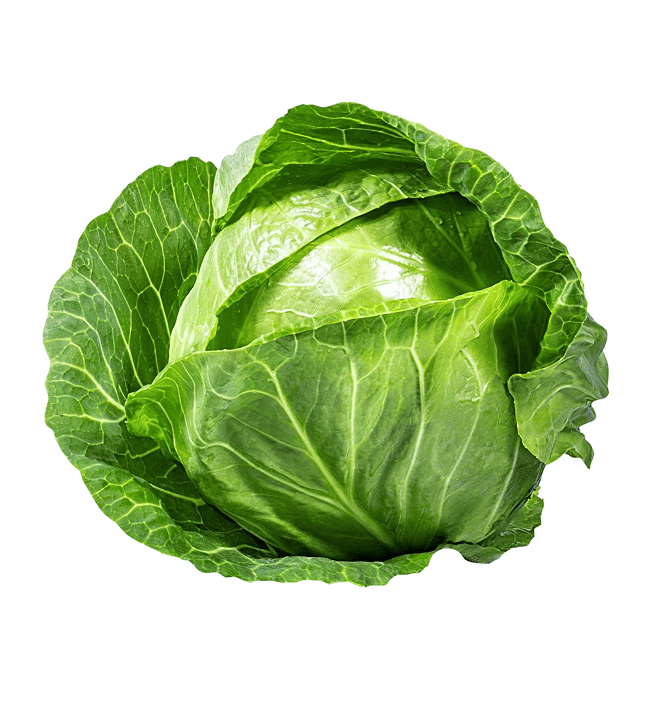
Chicken thighs cost noticeably less per kilo than breasts, stay juicier and forgive a few extra minutes in the oven. A whole cabbage or a bag of potatoes does more meals per kilo than almost anything else in the vegetable aisle. Cheaper cuts and hardy vegetables are not a compromise; in a lot of kitchens they are the better ingredient.
Shop this

$8.60$9.90
$2.95$3.80
Baby Potatoes — Waxy, Creamy & Perfect for Roasting
Roots & Alliums / Greenfield Grocers
No reviews yet$5.25
6. Treat multibuys with suspicion
"Three for two" is only a saving if you would have used all three before they spoil. For tins, dried pasta and frozen goods it often is. For soft fruit, bagged salad and bread, it often is not. Ask one question before you add the extra: will this definitely be eaten by its date?
7. Shop the list, then the shelf
Write the list at home, after you have looked in the fridge, and plan it around what needs using first. Then, at the shop, allow yourself one swap: if something on the list is poor or expensive and something similar is excellent and cheap, take the better buy. That keeps the discipline of a list with the flexibility of a good cook. Our piece on seasonal eating explains how to spot the cheap, good swap quickly.
How the twenty percent adds up
No single habit here saves a fifth on its own. The total comes from several modest savings stacking up. As a rough guide, from what we see in a typical weekly basket:
- Unit pricing and own-label swaps can take somewhere around five to eight percent off the lines where you use them.
- Buying loose and choosing hardy vegetables tends to save a few percent more, mostly through less waste.
- Frozen fruit and vegetables out of season can cut the cost of those lines by a third or more, which works out at a few percent of the whole shop.
- Cheaper cuts make a real difference if meat is a large part of your basket.
- Wasting less is often the biggest single item. Food that is bought and thrown away is the most expensive food in the house.
Your own numbers will vary with what you buy and how much you cook. But households who pick up four or five of these habits commonly find the weekly total noticeably lower within a month.
What not to economise on
Some savings cost more than they save. Buying a cheaper cooking oil is sensible; buying a finishing olive oil you do not enjoy means you will use less of it and eat plainer food. Buying reduced fish close to its date is fine if you cook or freeze it that day, but not if it sits in the fridge until the weekend.
Temperature is the other thing worth protecting. A fridge running warm quietly shortens the life of everything in it. Keep it at or below 5 °C and the freezer at −18 °C, and the food you have bought so carefully will last as long as it should. The freezer is not a graveyard covers how to make the freezer work harder too.
Start with one habit
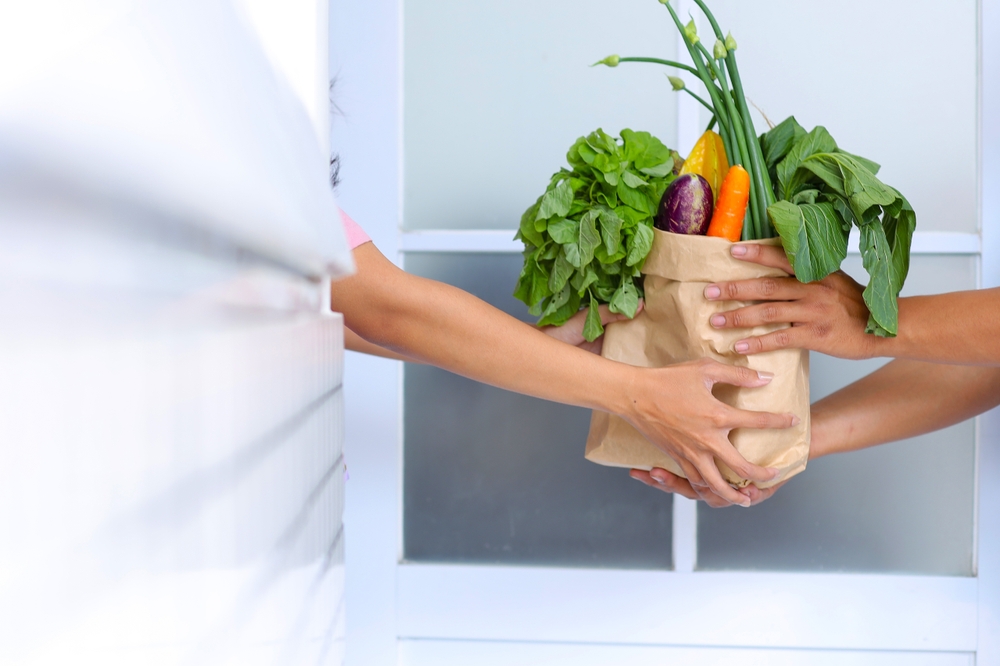
Pick the one that fits the way you already shop, most likely the unit price, and use it on every line of your next trip. Once it is automatic, add another. Build your list from the vegetables aisle and the pantry aisle, check the per-kilo price on each line, and compare the total with last week's.
Filed underMoney
Keep reading
All articles Money6 min readWhat a fair price for fish actually looks likeWhere the premium goes, and the two cuts that quietly outperform the expensive ones.
 Guides7 min read10 essential grocery items every home should haveThe short pantry list that turns a bare kitchen into one that can cook almost anything on a Tuesday night.
 Fresh5 min readHow to choose fresh fruits and vegetables like a proWeight, skin, smell and stem — the four checks a greengrocer runs in about two seconds.