Where the premium genuinely buys you something, and where it very honestly does not.

Organic food usually costs more, sometimes a little and sometimes a great deal more per kilo. Whether that premium is worth paying depends less on the word itself than on what you are buying and what you care about. For some foods, and some priorities, organic certification genuinely buys you something. For others, it very honestly does not, and the money is better spent on buying more fresh food, or better fresh food, of any kind. Here is how our buyers think about it.
In the UK and EU, "organic" is a protected term. Food sold as organic has to come from a farm certified by an approved control body and inspected at least once a year, and packaged organic food in the EU carries the green leaf logo. In many other markets, including the US, there are similar national schemes with their own rules.
Broadly, organic standards restrict synthetic pesticides and fertilisers, ban genetically modified crops, and set higher animal welfare requirements: more space, access to the outdoors, and limits on the routine use of antibiotics.
What organic does not mean matters just as much. It does not mean pesticide-free: organic farmers can use a limited list of approved pesticides, many of natural origin. It does not mean local, small-scale or picked recently. And it says nothing about how fresh the food is by the time it reaches you. Words like "natural" and "farm fresh", by contrast, are largely unregulated marketing terms in many places. Our guide to reading a label goes into those.
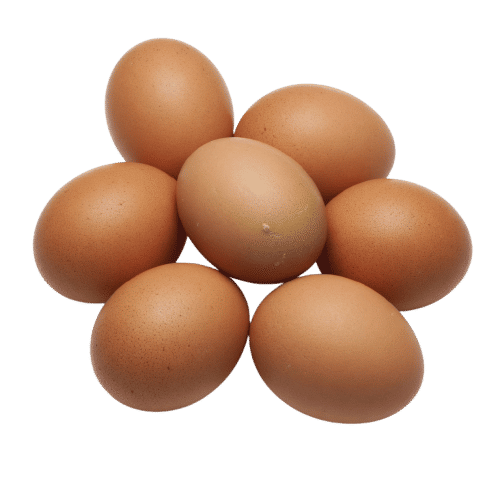
This is where organic certification makes the clearest, most measurable difference. Organic standards for meat, eggs and dairy generally require outdoor access, lower stocking densities and more natural diets than standard production. If welfare is your main concern, this is the place to spend. That said, organic is not the only route: free-range and outdoor-reared labels also set meaningful welfare standards, often at a lower price.
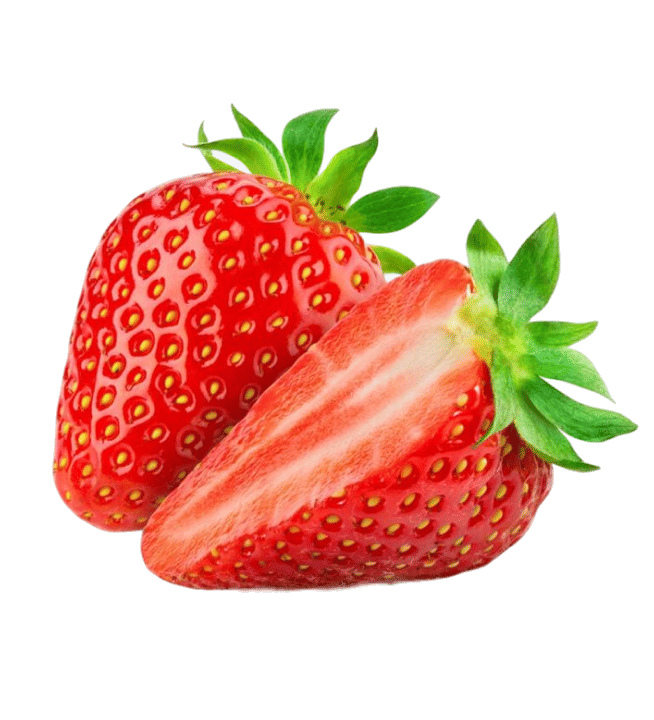
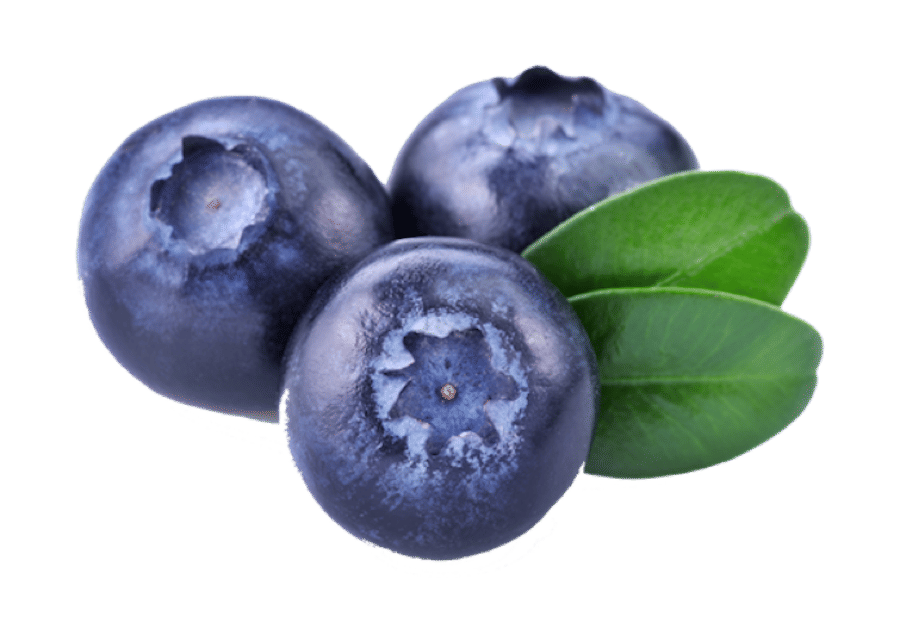
Residues from pesticides, where present, are mostly found on or near the surface. For soft fruit and leaves that you eat whole and cannot peel, such as strawberries, blueberries and spinach, some people choose organic to reduce their exposure. It is a reasonable preference. It is worth keeping in proportion, though, and the next section explains why.
Organic farms tend to have more on-farm biodiversity, such as insects, birds and wildflowers, and they rely on crop rotation and compost rather than synthetic fertiliser. Many people buy organic as a vote for that kind of farming. The picture is not simple: organic yields are usually lower, which means more land is needed for the same amount of food, and researchers still disagree about the overall environmental balance. But if on-farm biodiversity matters to you, organic is a straightforward way to support it.

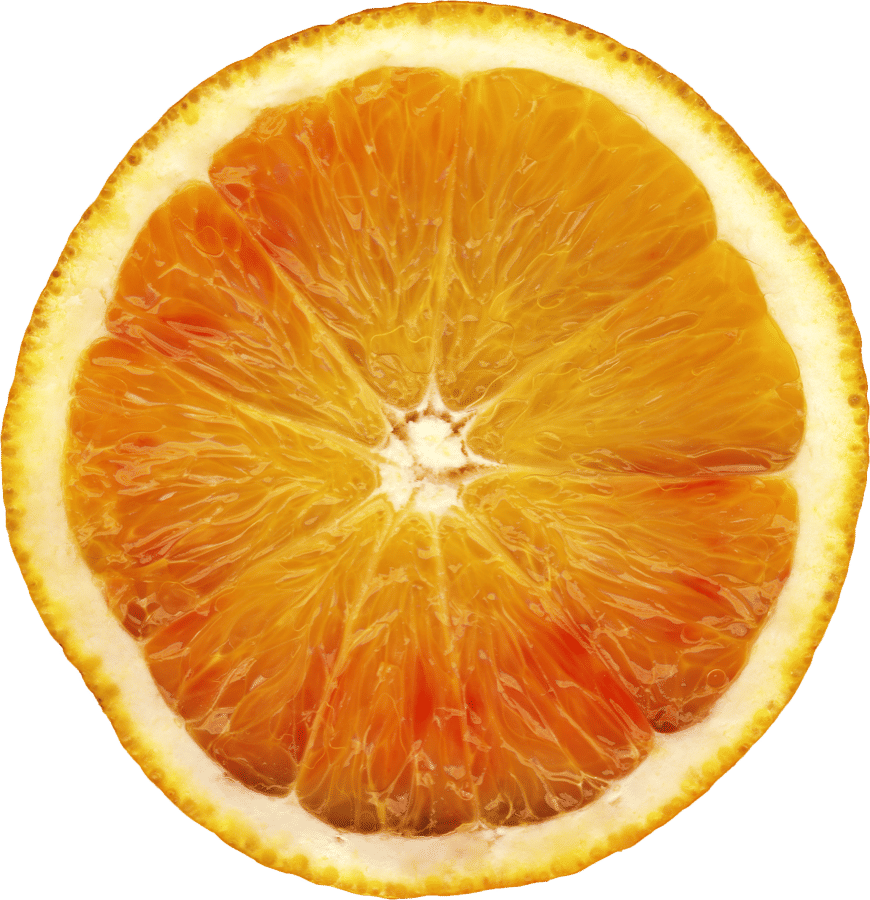
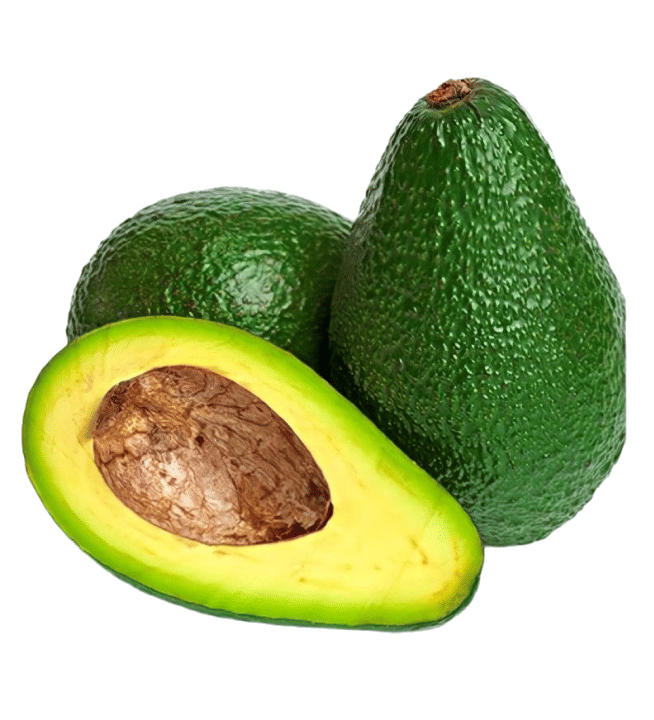
Bananas, oranges, avocados, melons, onions and mangoes all have skins you discard. Whatever residue sits on the outside largely goes in the bin with the peel. For these, paying extra for organic mostly buys you the farming practices above, not a meaningfully different thing to eat.
This is the claim most often made and least clearly supported. Some studies have found modestly higher levels of certain compounds in some organic crops; others have found no meaningful difference. For most people, the evidence does not suggest that organic food is significantly more nutritious. How fresh a vegetable is, how it has been stored and how you cook it tend to matter far more.
Flavour depends mostly on variety, ripeness, season and the cold chain, not certification. A conventional tomato picked ripe in July will usually taste better than an organic one picked green in January and shipped a long way. Our piece on the cold chain explains why.
An organic biscuit is still a biscuit. Organic crisps, cereals and snacks can be just as high in sugar, salt and fat as their standard versions.
In the UK and EU, pesticide residues in food are regulated with legal maximum levels and monitored by regular testing, and the large majority of samples come back within those limits. Conventional produce is not a hazard to be avoided, and nobody should eat less fruit and vegetables because organic is out of budget.
If you want to buy some organic but not everything, spend where it counts most for your own priorities:

Rather than switching everything or nothing, choose one category this week where organic matters to you, perhaps eggs or berries, and buy the best version you can there. Keep everything else fresh, seasonal and plentiful from the fruit aisle and the vegetables aisle. Then read our guide to seasonal eating, which often does more for flavour and price than any label.