Guides7 min read
10 essential grocery items every home should have
The short pantry list that turns a bare kitchen into one that can cook almost anything on a Tuesday night.

Marcus BellFounder & head buyer · 08 Feb 2027
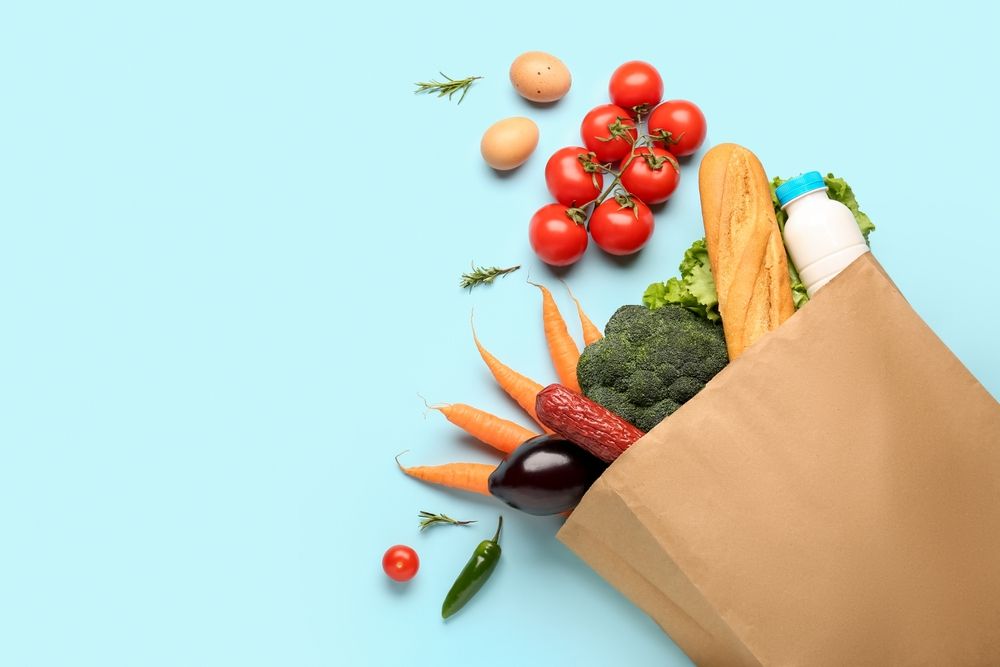
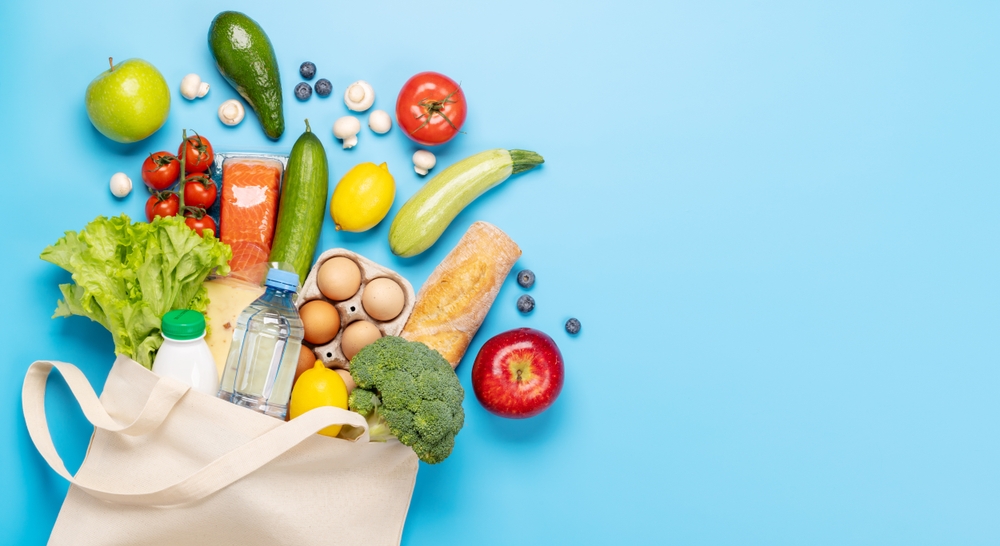
A well-stocked kitchen is not a full one. It is a kitchen where almost any fresh thing you bring home — a bunch of greens, a couple of salmon steaks, whatever looked best at the market — can become dinner without a second trip to the shop. That comes down to about ten things, bought well and kept properly.
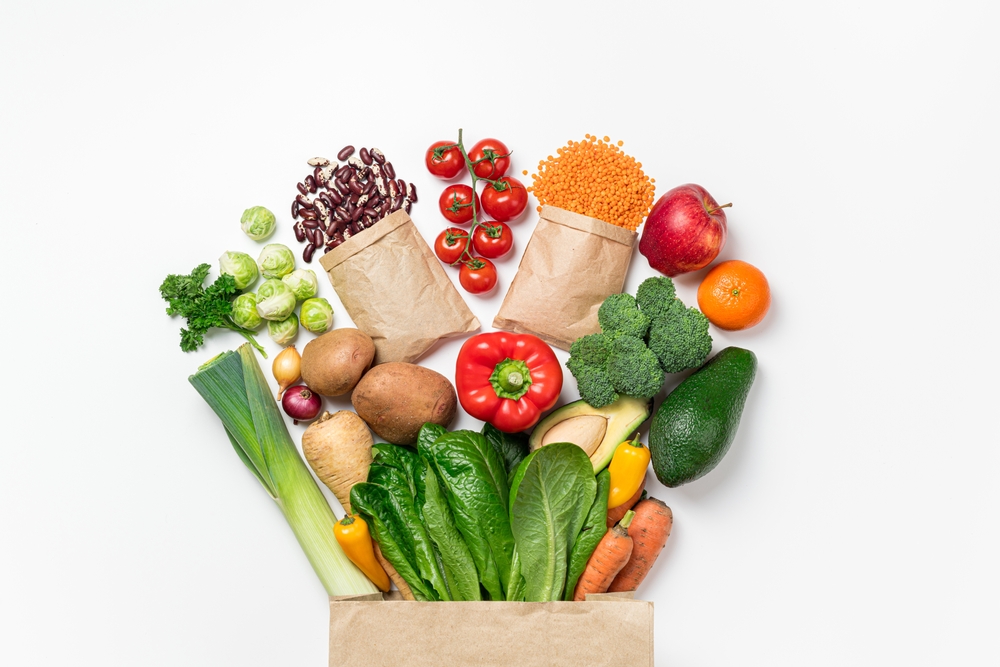
Why a short list beats a long one
Long pantry lists fail in the same way every time. Half the jars go stale before they are opened, the cupboard stops being readable, and you buy a third bottle of something you already had. A short list does the opposite: everything on it gets used, so everything on it stays fresh, and you can tell at a glance what is running low.
The ten below were chosen for one reason — each one makes the others more useful. Oil and acid season everything. A starch turns a handful of vegetables into a meal. A pulse turns a meal into one that keeps you full. Keep these ten topped up and the fresh part of your shop can follow the seasons instead of a recipe.
The ten essentials
1. A good cooking oil — and a better finishing one
One neutral, high-heat oil for frying and roasting, and one olive oil you actually like the taste of for dressings and finishing. The second is the one worth spending on: a spoonful over roasted vegetables or beans does more for a plate than any sauce.
Shop this
$8.90$10.50
2. Onions and garlic
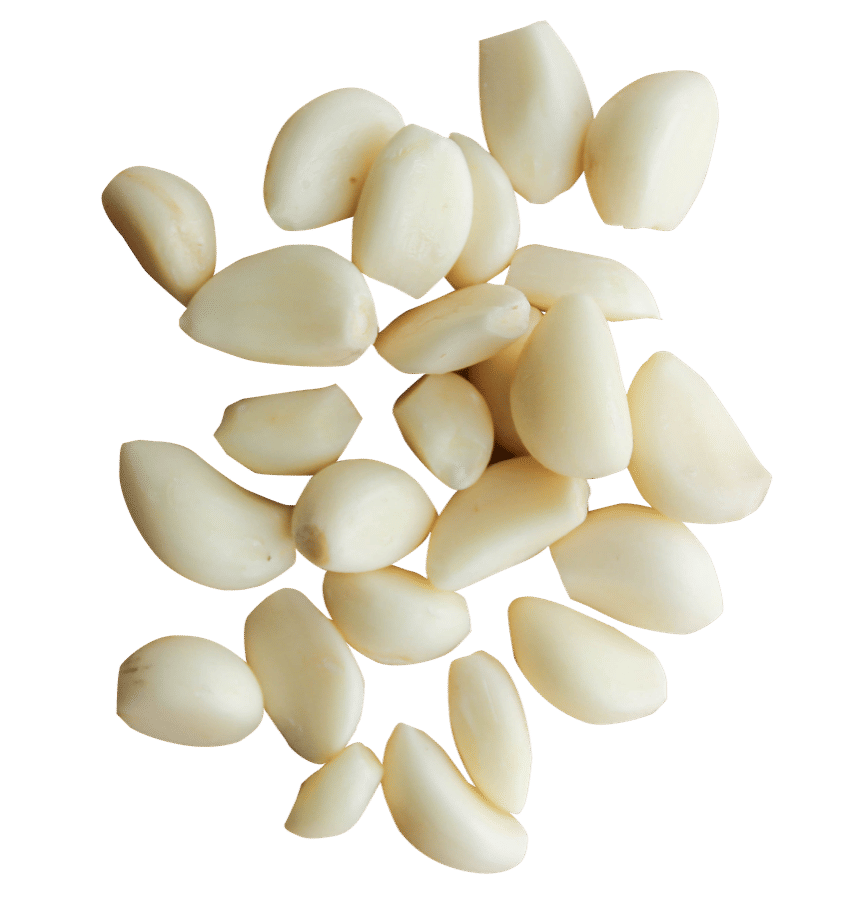
Almost every savoury dish in almost every cuisine starts here. Buy them loose rather than netted so you can check each one — firm, dry papery skins, no soft spots, no green shoots. Store them somewhere cool and dark, but not together: onions make garlic sprout.
Shop this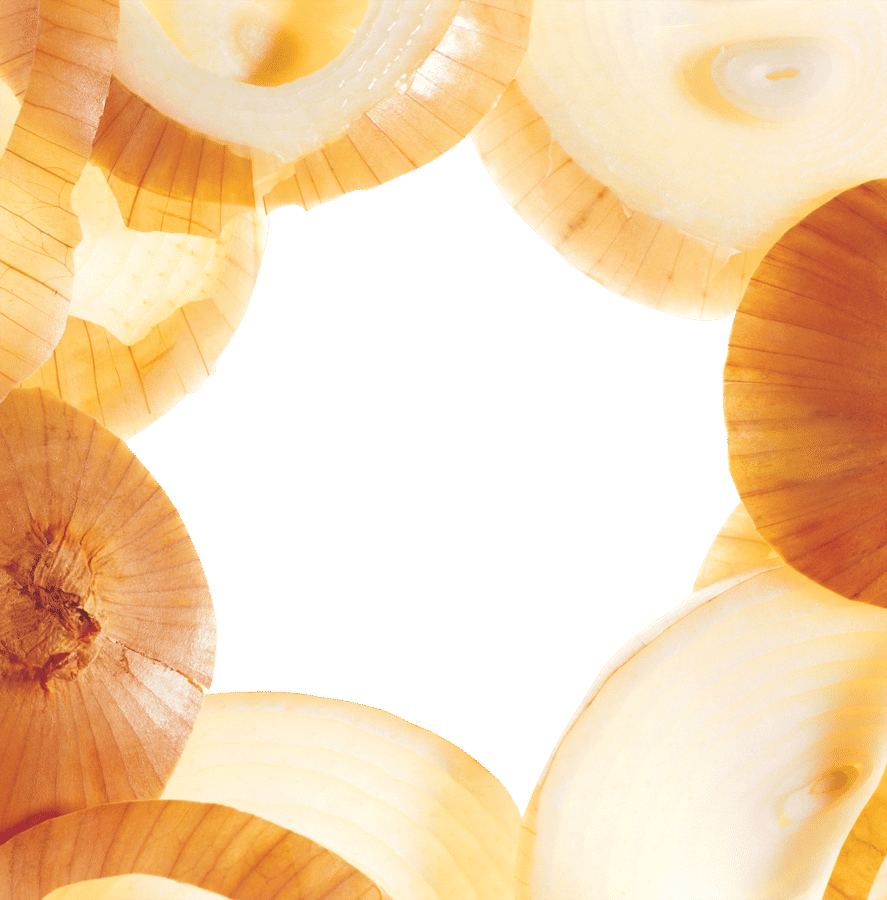
$1.75
$2.10
3. Potatoes
The most forgiving ingredient in the kitchen. Roast them, mash them, crush them into a salad or drop them into a soup to give it body. Small waxy potatoes are the most versatile — they hold their shape boiled and crisp beautifully when roasted.
Shop this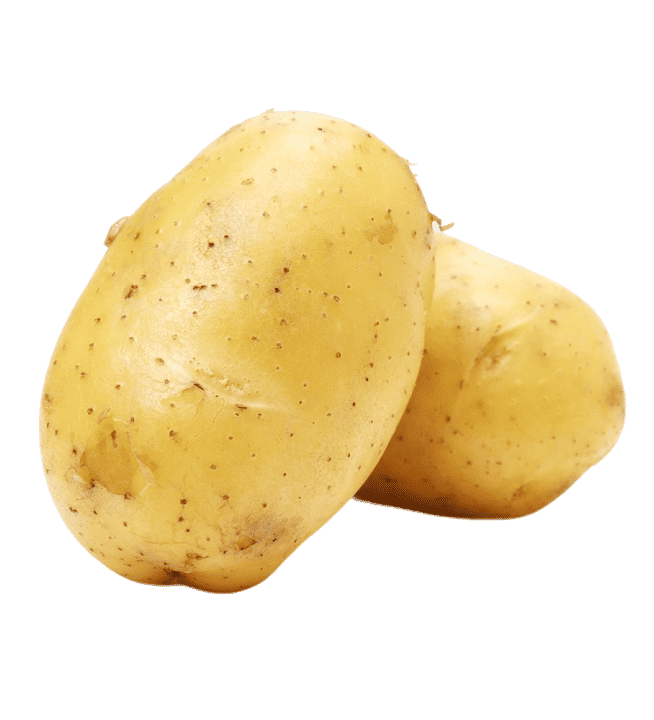
Baby Potatoes — Waxy, Creamy & Perfect for Roasting
Roots & Alliums / Greenfield Grocers
No reviews yet$5.25
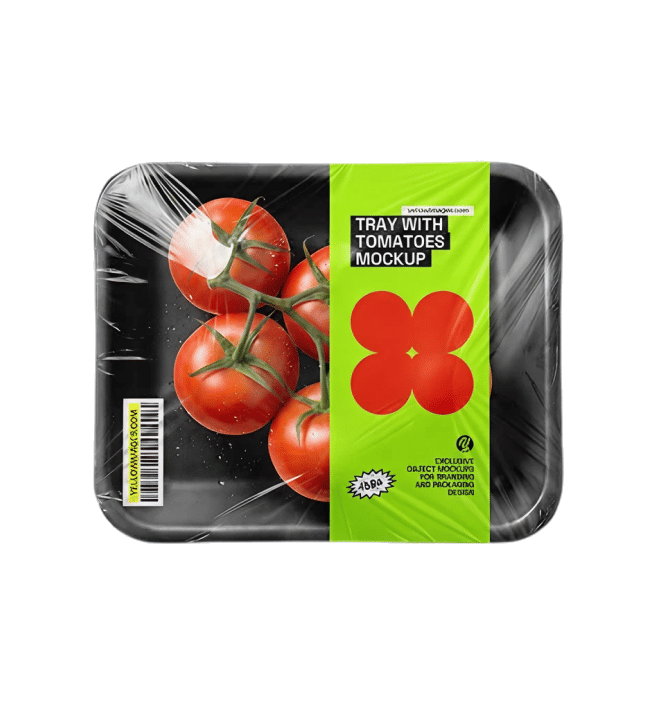
4. Tomatoes — tinned always, fresh in season
A couple of tins of good plum tomatoes are the fastest route to a sauce, a soup, a curry or a braise. When fresh tomatoes are at their best, buy them for eating raw: sliced with salt and that good olive oil, they need nothing else. Keep fresh tomatoes out of the fridge; cold dulls their flavour within a day.
Shop this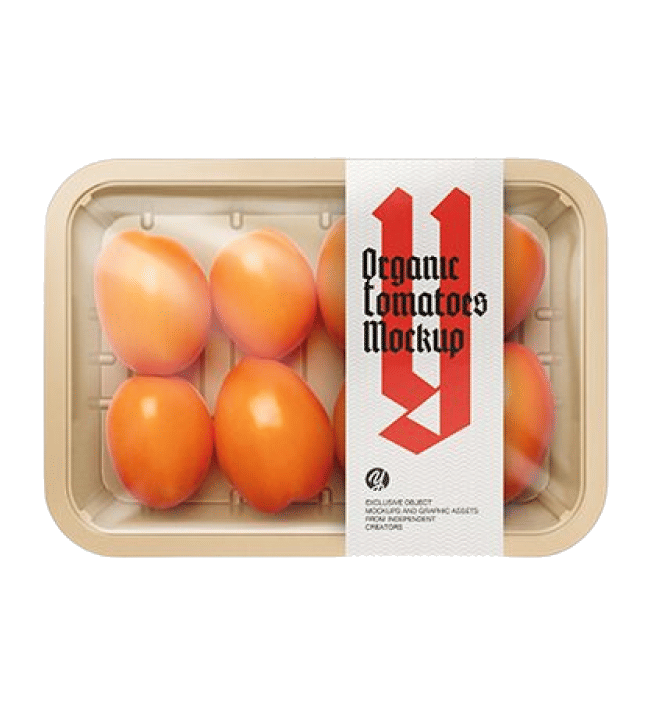
$5.90$7.20
$6.10
5. Citrus
Lemons and limes are the difference between food that tastes flat and food that tastes finished. A squeeze at the end wakes up soups, dressings, fish and grains. Choose fruit that feels heavy for its size — that weight is juice.
Shop this

$2.40
$4.60
6. Eggs
Breakfast, a quick lunch, a binder for baking, the golden top on a bowl of rice and greens. Eggs keep for weeks in the fridge and turn leftovers into a meal in minutes. Store them in their box on a shelf rather than in the door, where the temperature swings every time it opens.
Shop this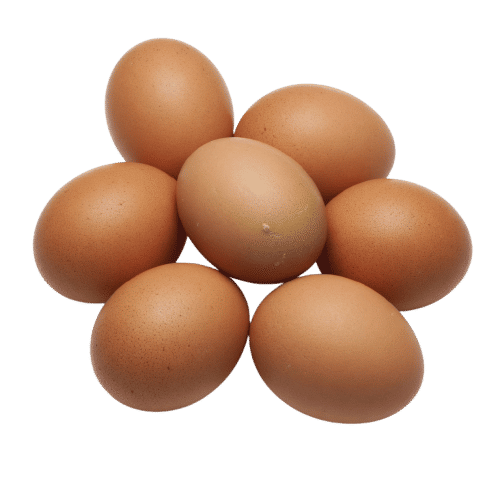
$3.90$4.50
7. A grain, a pasta and oats
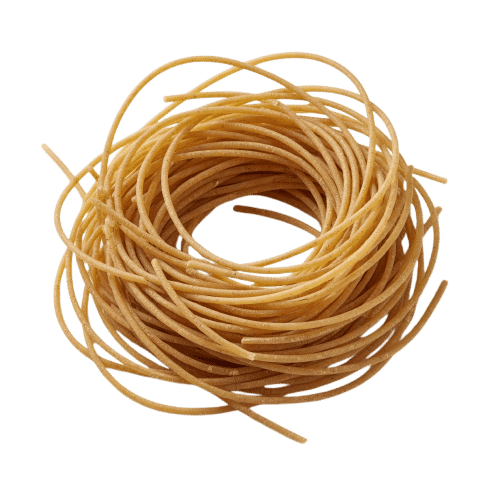
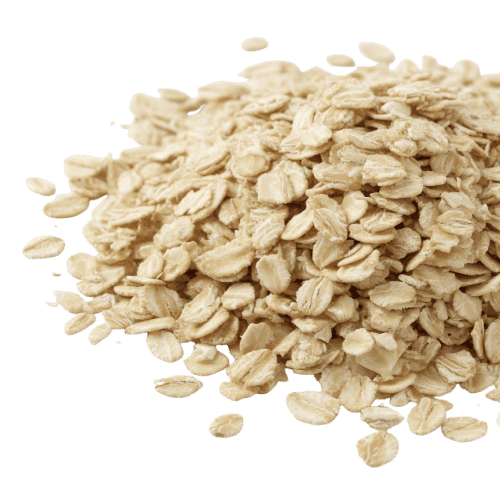
Rice for anything with a sauce, a dried pasta for the nights you have fifteen minutes, and oats for breakfast, baking and thickening. Buy them in amounts you will finish within a couple of months and decant them into sealed jars — it keeps them fresh and keeps the cupboard easy to read.
Shop this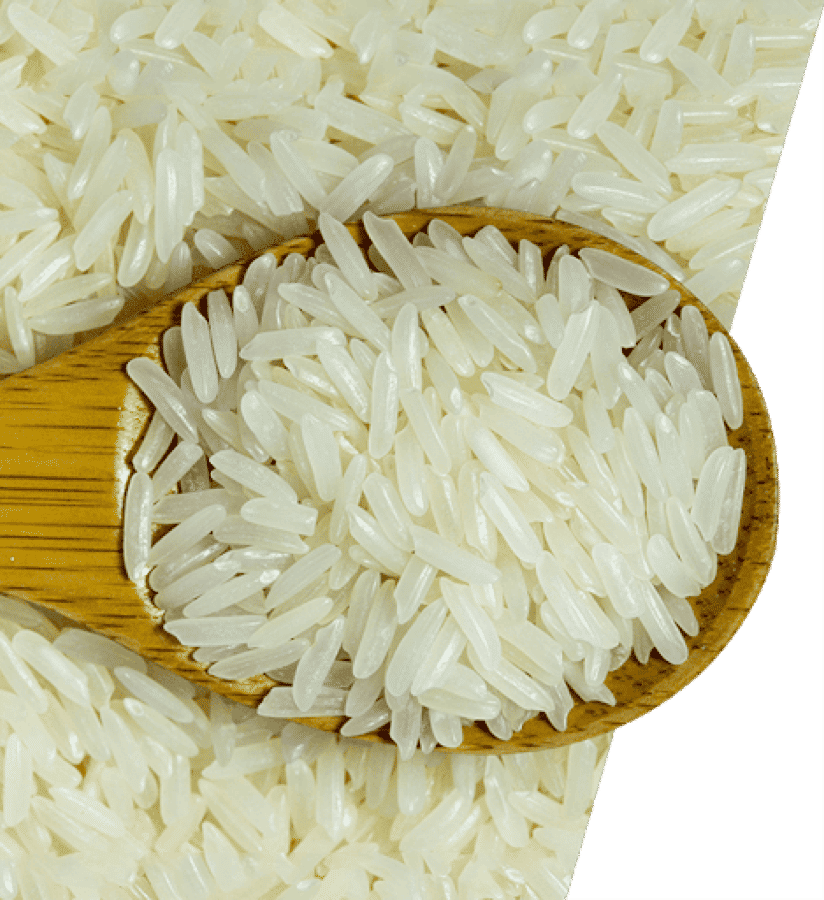
$3.85
$2.15$2.60
$3.15$3.90
8. Beans and lentils
Tinned chickpeas and beans for speed, dried red lentils because they cook in twenty minutes without soaking. Together they make soups heartier, salads more filling and a small amount of meat go much further — and they are among the cheapest protein you can buy.
Shop this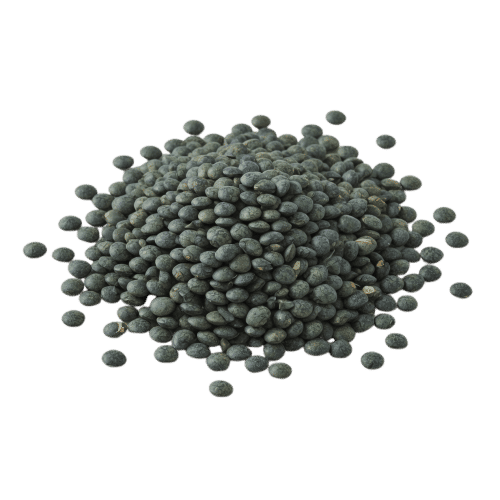
$4.25
9. Hardy vegetables that last the week
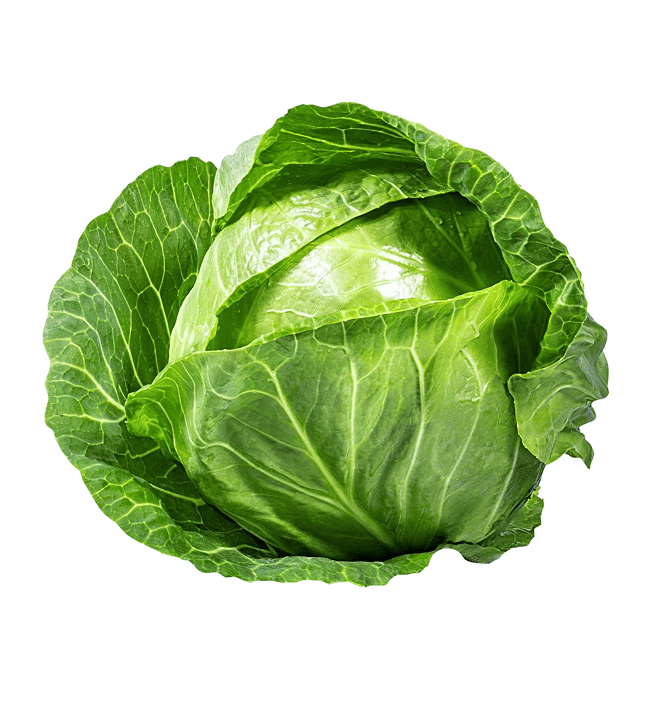
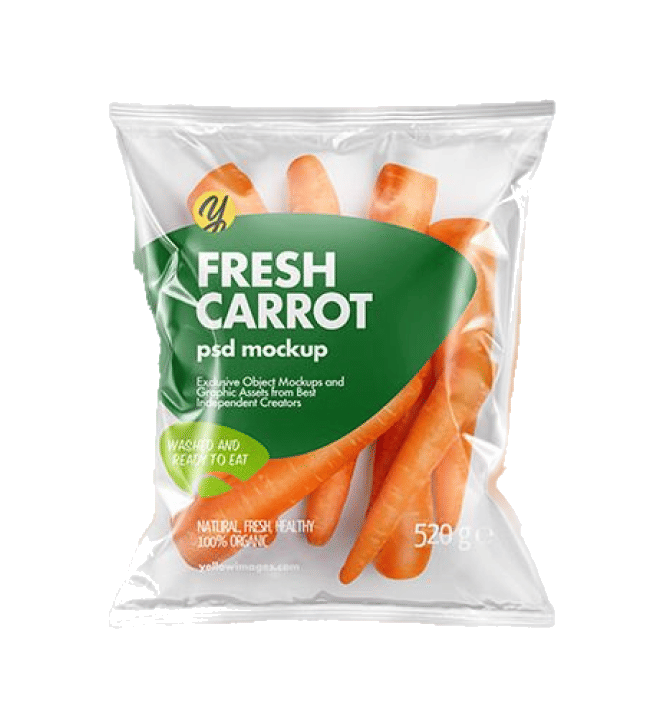
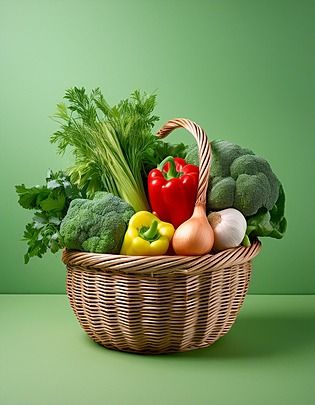
Not everything fresh has to be used on day one. Broccoli, cabbage and carrots keep well in the salad drawer and fill the gap between shops: shredded into a slaw, charred in a hot pan, or simmered into a soup with the lentils above.
Shop this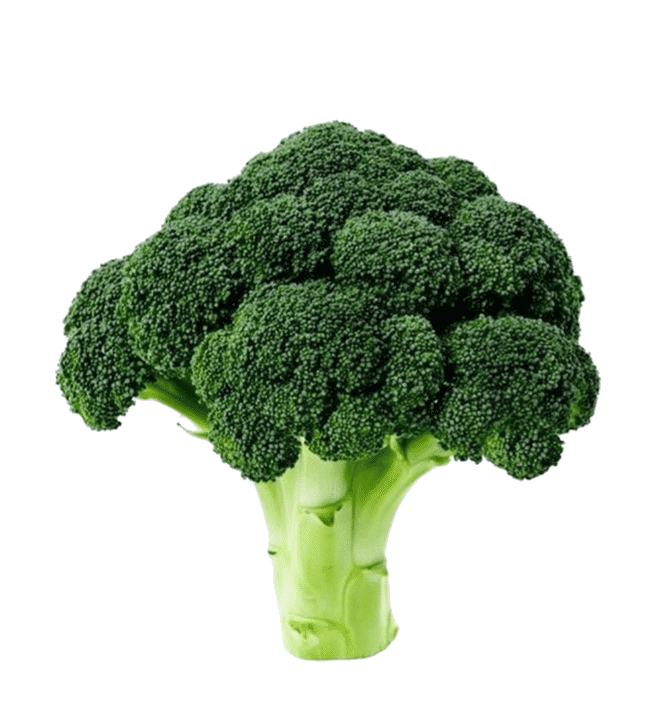
$3.75$4.90
$2.95$3.80
$3.40$4.25
10. Nuts — and one protein in the freezer
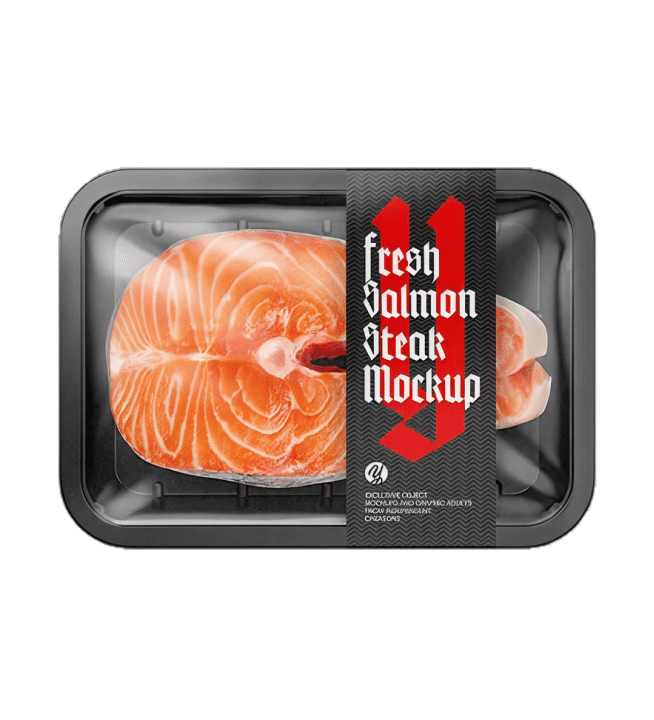
A bag of walnuts or almonds adds crunch to salads, oats and roasted vegetables, and makes a better snack than most things in a wrapper. Keep them in a jar in a cool cupboard — or the freezer, if they will take a while to finish, as their oils turn quickly in the warm. Then keep one protein frozen for the evenings nothing is planned: fish steaks cook from frozen in a hot oven in under twenty minutes.
Shop this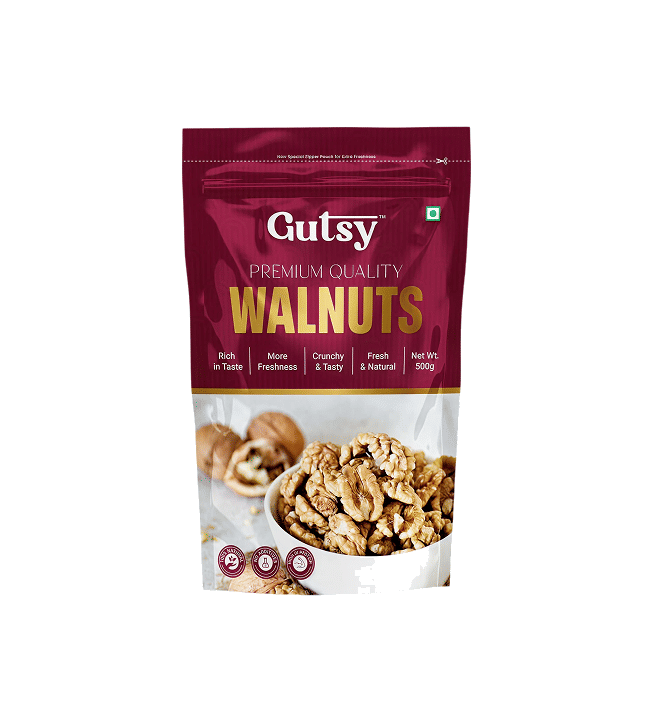
$14.30$17.90
$18.40$22.00
How to keep them at their best
Buying well is half the job; storing well is the other half. Four rules cover almost everything on this list:
- Cool, dark and dry for onions, garlic and potatoes — never the fridge, and never in plastic, which traps the moisture that makes them sprout and rot.
- Sealed jars for grains, oats, pulses and nuts. Air and light are what make them stale, and a clear jar also shows you when you are running low.
- The fridge shelf, not the door, for eggs and anything that needs a steady cold.
- The fruit bowl for tomatoes and citrus until they are ripe — then eat them within a few days.
Three dinners, straight from the list
The test of a good pantry is what it makes on a night you did not plan for. Each of these uses nothing but the ten essentials:
- 1Crushed potatoes with a fried egg — boiled baby potatoes, crushed with olive oil and garlic, a runny egg on top and a squeeze of lime. Twenty-five minutes.
- 2Tomato and lentil soup — onion and garlic softened in oil, a tin of tomatoes, a cup of red lentils and water, simmered until thick. Finish with citrus. Thirty minutes, and it freezes well.
- 3Roast salmon with charred broccoli — salmon from the freezer and broccoli in one tray, a hot oven, walnuts scattered over for the last five minutes. Under twenty minutes, one tray to wash.
Make it your list
These ten are a starting point, not a rulebook. If you cook a lot of curry, your list will have spices on it; if there are children in the house, it will have more oats. The principle stays the same: keep a short list of things you truly use, buy them well, store them properly, and let everything else be fresh and seasonal.
Start with what you have, fill the gaps on your next shop, stock the cupboard from the pantry aisle, and see how many dinners come together without a plan. Most of the essentials above are in the vegetables aisle today — picked this morning.
Filed underGuides
Keep reading
All articles Guides5 min readReading a label without falling for itThe four words on packaging that mean something, and the nine that legally mean nothing.
 Money5 min readSmart grocery shopping tips to save money every weekSmall habit changes at the shelf edge that quietly take twenty percent off a weekly shop.
 Fresh5 min readHow to choose fresh fruits and vegetables like a proWeight, skin, smell and stem — the four checks a greengrocer runs in about two seconds.