Fresh5 min read
How to choose fresh fruits and vegetables like a pro
Weight, skin, smell and stem — the four checks a greengrocer runs in about two seconds.

Marcus BellFounder & head buyer · 27 Jan 2027

Watch a good greengrocer pick a melon and it looks like instinct. It is not. It is four quick checks, run in the same order every time: weight, skin, smell and stem. Each one tells you something different about how the fruit or vegetable was grown, how long ago it was picked and how it has been kept since. Together they take about two seconds, and once you know what you are looking for, you will never again bring home a woolly apple or a lemon with no juice in it.
Weight: heavy for its size
Pick up two of the same thing, roughly the same size, one in each hand. Take the heavier one. That extra weight is water, and in fresh produce water means juice, crispness and recent picking. As fruit and vegetables age they lose moisture through their skins, so a light one has usually been sitting around longer or was never very juicy to begin with.
This is the single most reliable check for citrus, melons, cabbages, cucumbers, peppers and tomatoes. A heavy orange peels easily and runs with juice; a light one of the same size is often pithy and dry. A cabbage should feel dense, almost like a ball of wet paper, with no give when you squeeze it.
Shop this

$3.20
$2.40
For melons, weight works alongside a gentle knock. A ripe watermelon sounds deep and hollow rather than dull, and it should have a creamy yellow patch on one side where it rested on the ground. A white or pale green patch usually means it was picked early.
Skin: tight, bright and the right kind of dull
The skin is the produce's packaging, and it shows its age first. In general you want skin that is taut and unwrinkled, with even colour and no soft or sunken patches. Wrinkles mean moisture loss. Soft spots mean bruising or the start of decay.
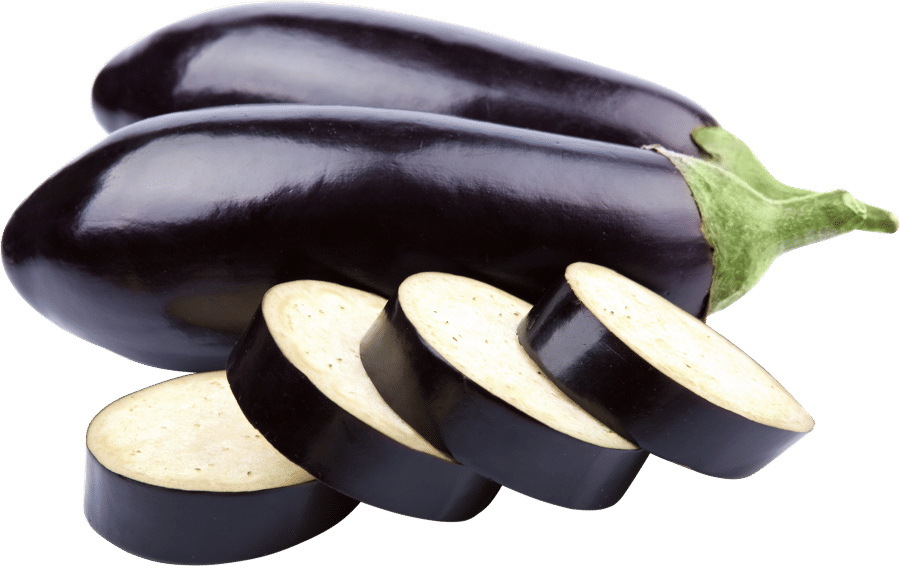
But "shiny" is not always good. Aubergines, courgettes and peppers should be glossy. Blueberries and red grapes should have a pale, powdery bloom that rubs off with a finger; that bloom is natural and shows they have not been handled much. Plums are similar. A very shiny grape or blueberry has often been knocked about.
For firm vegetables, press gently with a thumb. An aubergine should spring back. A carrot should snap rather than bend. A broccoli head should feel tight and heavy, with florets packed close and no hint of yellow, which is the first sign it is past its best.
Shop this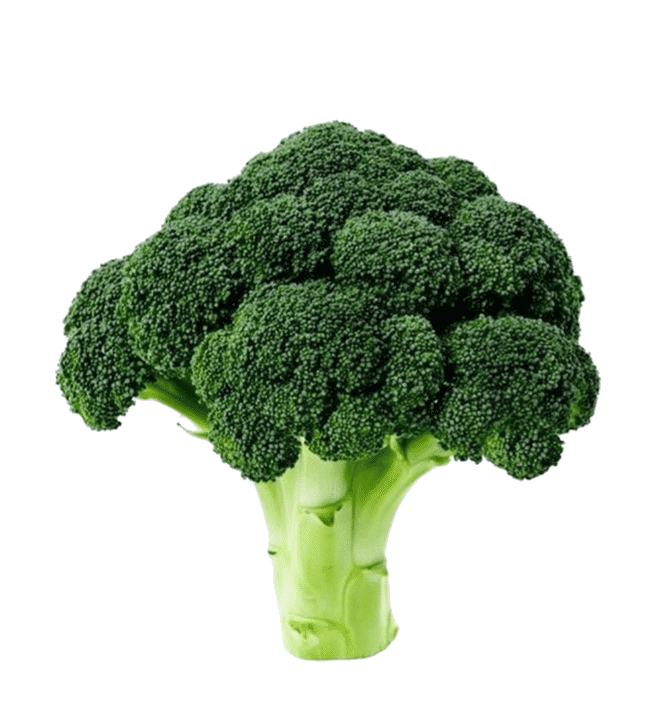
$3.75$4.90
$2.70
Smell: the check most people skip
Ripe fruit smells like itself. Hold a mango, a melon or a tomato near the stem end and breathe in. If you get a clear, sweet, recognisable scent, it is ready or nearly ready. If you get nothing, it was probably picked early or has been kept too cold, and it may never develop full flavour. If you get something sharp, boozy or fermented, it has gone too far.
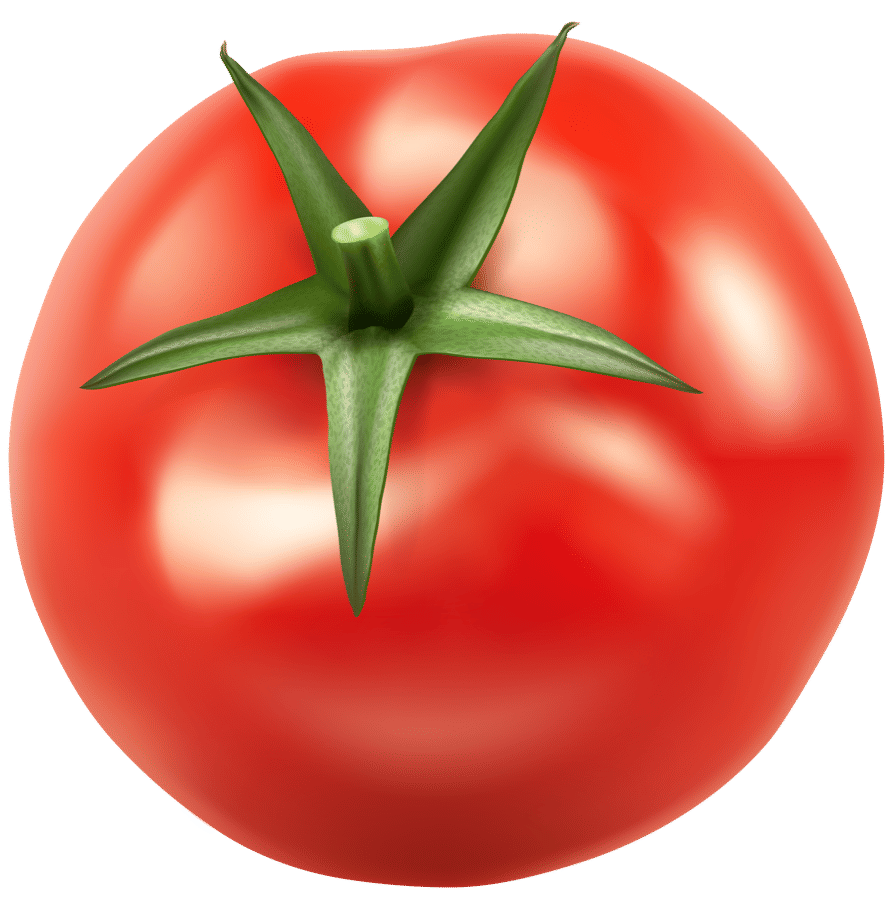
This matters most for fruit that is picked before it is fully ripe and finishes on the way to you: mangoes, melons, peaches and pineapples. Tomatoes are similar. Tomatoes still on the vine should smell green and peppery at the stalk; a tomato with no scent at all has often spent too long in a fridge, which dulls flavour within a day or so. Our piece on the cold chain explains why.
Shop this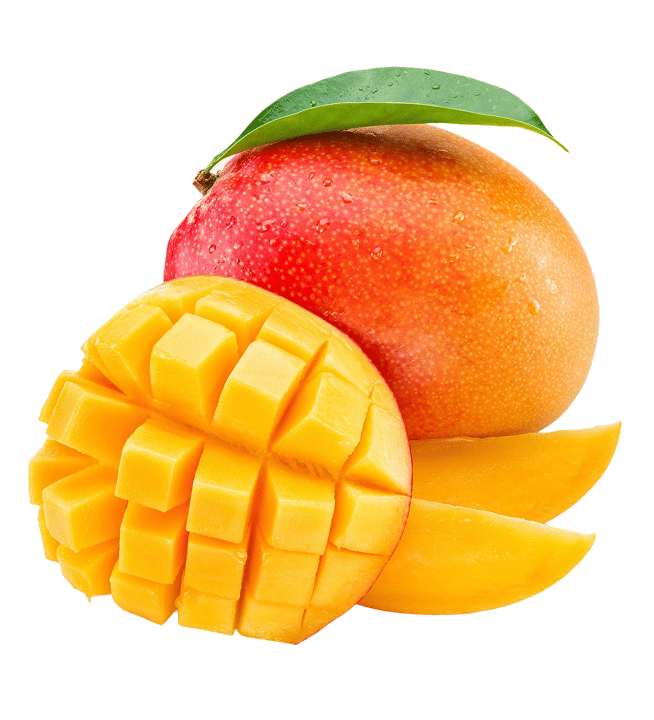
$12.60$15.00
Juicy Vine Tomatoes — Bold Flavour, Naturally Sweet
Salads & Greens / Greenfield Grocers
No reviews yet$4.20$5.60
Smell also warns you off vegetables. Leafy greens and herbs should smell fresh and grassy. Anything sour, musty or slightly sweet in a bag of salad leaves means it is starting to break down.
Stem: where the freshness shows first
The stem, stalk or cut end is the most honest part of any fruit or vegetable, because it is where the plant was separated from it. Freshness drains away from there first.
- Cut ends on broccoli, cauliflower, asparagus and celery should look pale and moist. A dry, brown or hollow end means it was cut days ago.
- Grape stalks should be green and flexible. Brown, brittle stems mean the bunch has been in storage a long time, even if the grapes still look fine.
- Avocados have a small cap where the stem was. Flick it off: bright green underneath means ripe and good; brown means overripe.
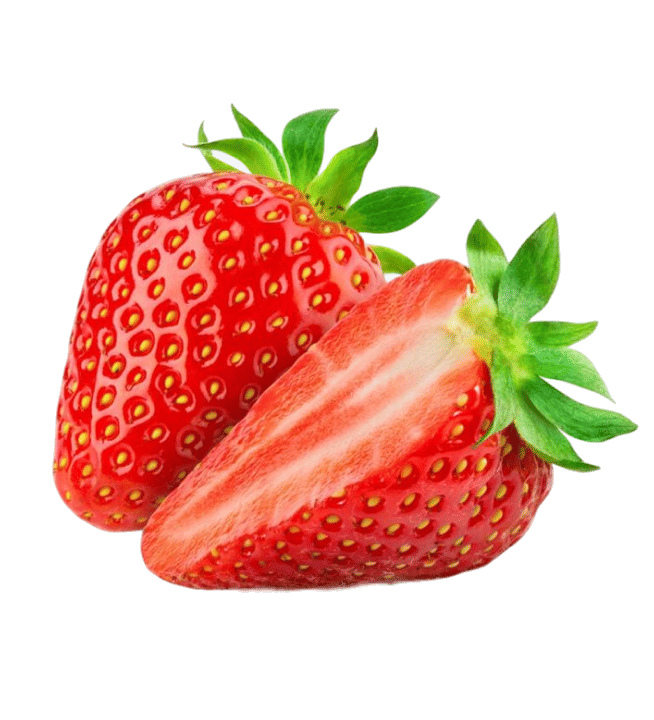
- Strawberries should have green, fresh-looking leaves at the top. Wilted, dry leaves mean they were picked some time ago, and strawberries do not ripen any further after picking.
- Pears tell you through the neck. When the flesh just below the stem gives slightly under a thumb, the pear is ready.
Shop this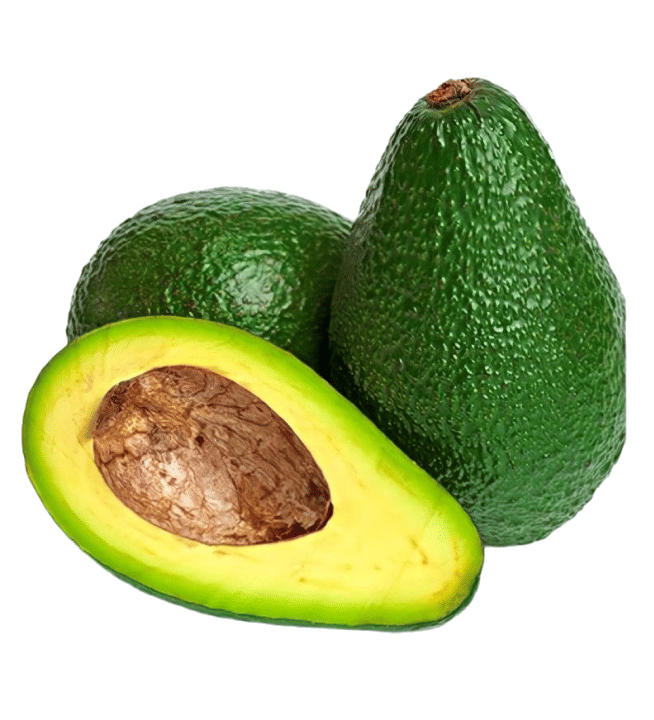
$6.80$8.50
$27.49$29.99
A few exceptions worth knowing
The four checks work for almost everything, but a handful of foods break the rules. Bananas are picked green and ripen perfectly at home, so brown freckles are a sign of sweetness, not age. Potatoes and onions should be firm with dry, papery skins, and any green patches on potatoes should be cut away generously or the potato left out. Onions and garlic should never smell strongly through the skin; if they do, they are starting to sprout or rot.
Some things are better slightly under than slightly over. If you are buying avocados, pears or mangoes for later in the week, choose firm ones and ripen them in the fruit bowl. Once ripe, they can go in the fridge for a day or two to hold them there.
Try it on your next shop
Choose one thing you buy every week, perhaps lemons or tomatoes, and run all four checks on it next time: weight, skin, smell, stem. Compare two or three before you pick. Within a couple of shops it becomes automatic, and you can use it on everything in the fruit aisle and the vegetables aisle. Then read our guide to seasonal eating, because produce in season passes all four checks far more often.
Filed underFresh
Keep reading
All articles Fresh5 min readSeasonal eating without a wall chartA simple rule of thumb that gets you cheaper, better produce all year round.
 Guides7 min read10 essential grocery items every home should haveThe short pantry list that turns a bare kitchen into one that can cook almost anything on a Tuesday night.
 Money5 min readSmart grocery shopping tips to save money every weekSmall habit changes at the shelf edge that quietly take twenty percent off a weekly shop.