Sourcing6 min read
Our growers: the Vale orchard, twelve years on
One family, four hundred trees and a harvest that still moves entirely by hand.

Marcus BellFounder & head buyer · 11 Dec 2026

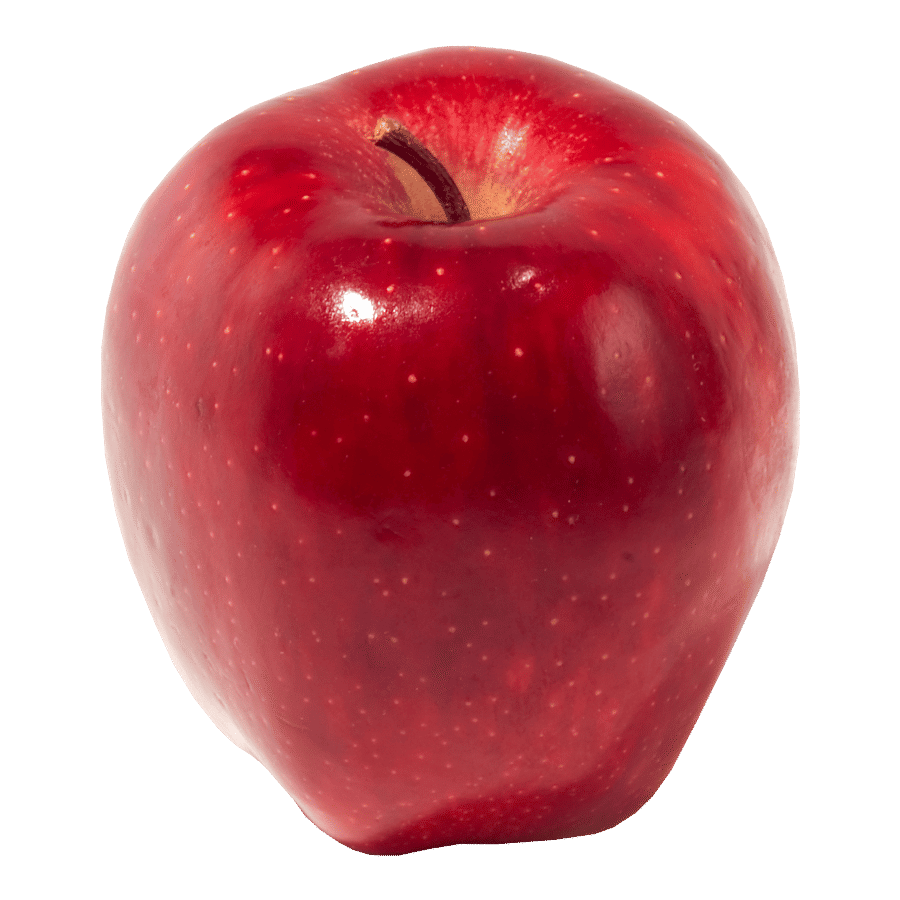
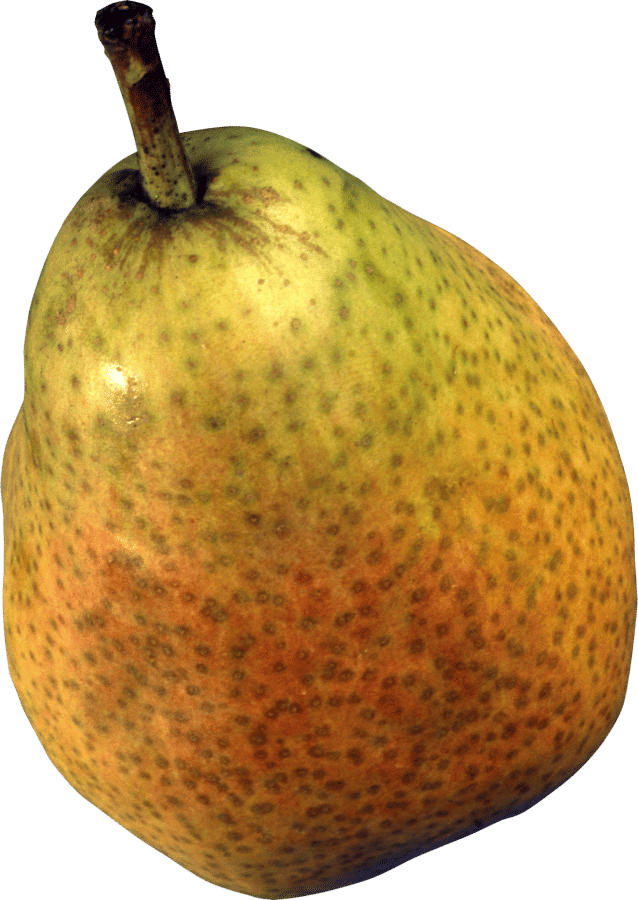
The Vale orchard sits at the bottom of a sheltered valley, on a slope that faces south and catches the afternoon sun. It is not large. There are four hundred trees across a little over three hectares, most of them apples, with two long rows of pears along the lower hedge. The same family has worked it for three generations, and for the past twelve years every apple and pear they pick by hand has come to our shelves. This is the story of how a small orchard has stayed small on purpose, and why its harvest still happens one piece of fruit at a time.
One family, three generations
Ruth Vale planted the first rows in the 1970s, on land that had been grazing pasture. Her son Tom took over in the nineties and replaced the tall old standard trees with smaller trees on dwarfing rootstocks, which bear fruit sooner and can be picked from the ground or a short ladder. Today Tom and his daughter Hannah run the orchard between them, with Ruth still walking the rows most mornings and offering opinions on the pruning.
When our buyers first met them, the Vales were selling most of their crop to a wholesaler who blended it with fruit from dozens of other farms. The fruit was good. It simply disappeared into a bigger pile. The arrangement we agreed that first autumn was simple: we would take a fixed share of the harvest at a price agreed before picking began, and the Vale name would stay on the crate. Twelve seasons later, that is still the deal.
Four hundred trees, counted one by one
At this size, Hannah knows the orchard tree by tree. She keeps a notebook for each row with notes on blossom, fruit set, disease and yield. The trees are numbered, and the older ones have names.
That attention shows up in the fruit. A small orchard can thin by hand in early summer, removing some of the young fruit so that the rest grows larger and sweeter. It can prune each tree to let light into its centre, where colour and sugar develop. And it can walk every row after a storm to check for damage, which on a large estate would take days.
Pollination is shared work. A beekeeper from the next village keeps a dozen hives along the top hedge each spring, and the bees work the blossom for the few weeks it is open. The Vales count on them for a good fruit set, and the beekeeper counts on the orchard for a light, floral spring honey. It is the kind of arrangement that only works when both sides plan to be there next year.