Sourcing5 min read
The cold chain, explained in plain language
Why the temperature between the field and your fridge decides how a tomato tastes.

Marcus BellFounder & head buyer · 23 Dec 2026
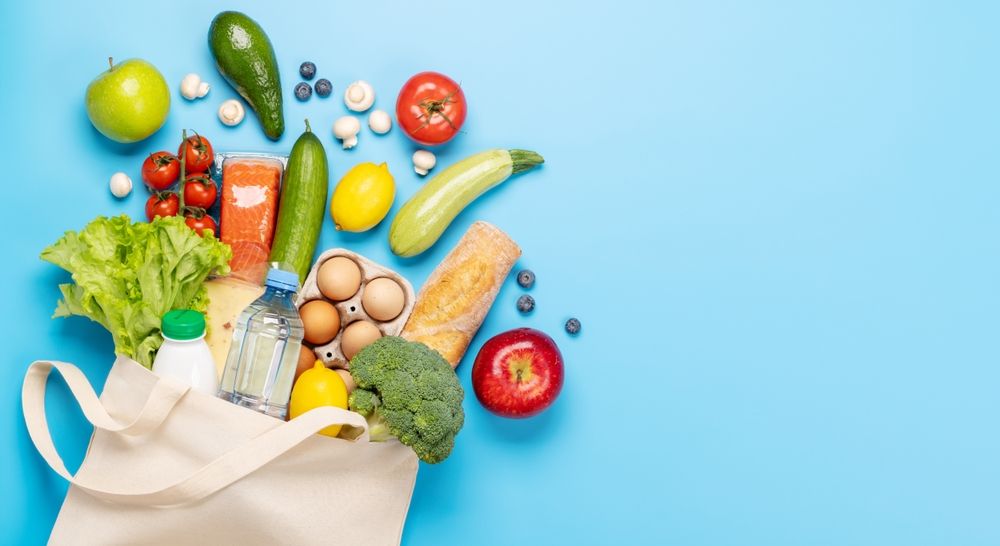
A tomato picked ripe on a warm afternoon is a small, living thing that keeps on changing after it leaves the plant. What it tastes like on your plate depends less on the variety than on the temperatures it passes through on the way: the field, the packhouse, the lorry, the warehouse, the shop and finally your kitchen. That sequence of controlled temperatures is the cold chain. It is not glamorous, but it quietly decides whether a tomato tastes of summer or of wet cardboard, and whether a fillet of fish is sweet or tired.
What the cold chain actually is
The cold chain is simply the rule that food should be held at the right temperature at every step, with no gaps. The key words are right and no gaps. Colder is not always better, and a single warm hour on a loading bay can undo days of careful handling.
Fresh food spoils for two main reasons. Produce keeps breathing after harvest, using up its sugars and moisture, and the warmer it is the faster it breathes. Meat, fish and dairy, meanwhile, give bacteria a place to grow, and bacteria multiply quickly between roughly 5 °C and 60 °C. Cold slows both processes. It does not stop them, which is why a cold chain is a chain: every link buys time, and every broken link spends it.
Why a tomato hates the fridge
Here is the part that surprises people. Tomatoes are one of several foods that are damaged by cold. Below roughly 10 to 12 °C, the enzymes that build a tomato's flavour and aroma slow down and some switch off, and the flesh can turn mealy. A tomato chilled for a day or two often does not fully recover its perfume, even after warming up again.
So for tomatoes the right temperature is cool, not cold: somewhere around 12 to 15 °C in transit, and a fruit bowl out of direct sun at home. Our buyers ask growers to pick vine tomatoes close to ripe and keep them out of chilled storage for exactly this reason. It costs more in handling, and it is the single biggest difference you can taste.
Shop this
$6.10
Juicy Vine Tomatoes — Bold Flavour, Naturally Sweet
Salads & Greens / Greenfield Grocers
No reviews yet$4.20$5.60
The same caution applies to a few other warm-climate crops. Bananas darken and stall below about 12 °C. Aubergines pit and brown. Avocados can fail to ripen evenly if chilled while hard. Once any of these is ripe, a day or two in the fridge slows it down; before that, the counter is kinder.
Three temperatures, three kinds of food
Most of what you buy falls into one of three bands:
- Cool (about 10–15 °C): tomatoes, bananas, aubergines, unripe avocados and mangoes, potatoes and onions. These want air and shade rather than refrigeration.
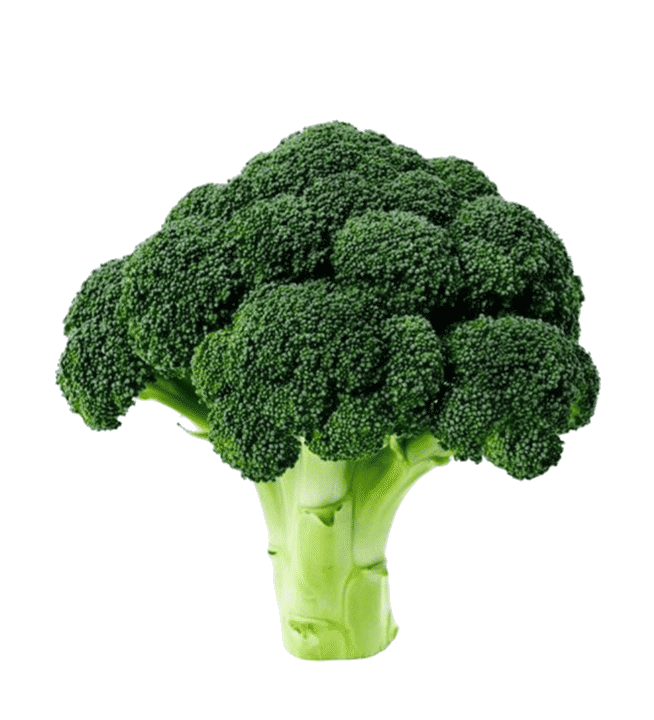
- Chilled (about 0–5 °C): leafy greens, broccoli, berries, grapes, apples, dairy, meat and fish. Leafy crops are cooled within hours of picking to take the field heat out; fish is held on ice close to 0 °C from the boat onwards.
- Frozen (−18 °C or colder): vegetables and fruit frozen quickly after harvest, and fish frozen at sea. Held steadily at −18 °C, they keep their quality for months.
Grapes are a good example of the chilled band doing its job. Held near 0 °C with the right humidity, they stay crisp and their stems stay green for weeks; a few warm days and the stems shrivel and the berries soften.
Shop this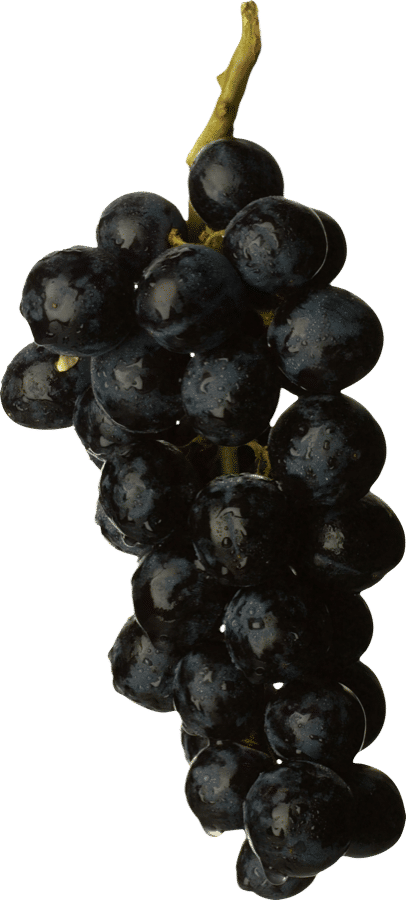
$4.90$5.80
$3.75$4.90
Frozen is part of the chain too
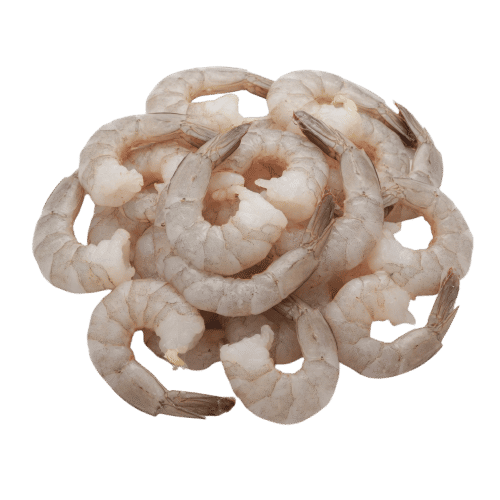
Frozen food is often treated as second best, but it can be the freshest thing in the shop. Garden peas start turning their sugar to starch the moment they are picked, so a pea frozen within hours of harvest can taste sweeter than a "fresh" one that spent three days in transit. Prawns frozen on board the boat skip the journey entirely.
The catch is steadiness. Food that thaws a little and refreezes grows larger ice crystals, which break cell walls and leave fish watery and vegetables limp. Frost inside a bag is a sign that has happened somewhere along the way.
Shop this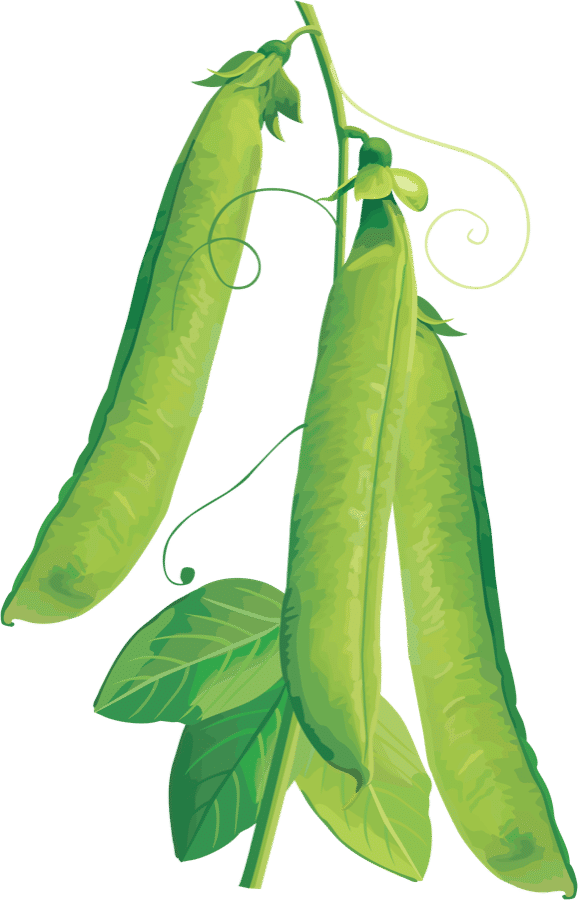
$1.85$2.30
$9.80$12.40
Your kitchen is the last link
Everything above can be done perfectly and still come undone in the forty minutes between the doorstep and the fridge. A few habits keep your link strong:
- 1Unpack chilled and frozen food first. Put it away before the cupboard things, and do it straight away, especially in warm weather.
- 2Use an insulated bag if the shopping will spend more than half an hour in a car.
- 3Check your fridge runs at 5 °C or below and your freezer at −18 °C. A simple thermometer on the middle shelf is the only way to know.
- 4Do not overfill the fridge. Cold air needs to circulate; a packed shelf has warm pockets.
- 5Keep the door for sturdy things. It is the warmest, most changeable part of the fridge, so milk and eggs are better on a shelf.
- 6Give cool-loving produce a cool spot. Tomatoes, bananas and potatoes belong in a shaded bowl or a dark cupboard, not the salad drawer.
Put one thing to the test
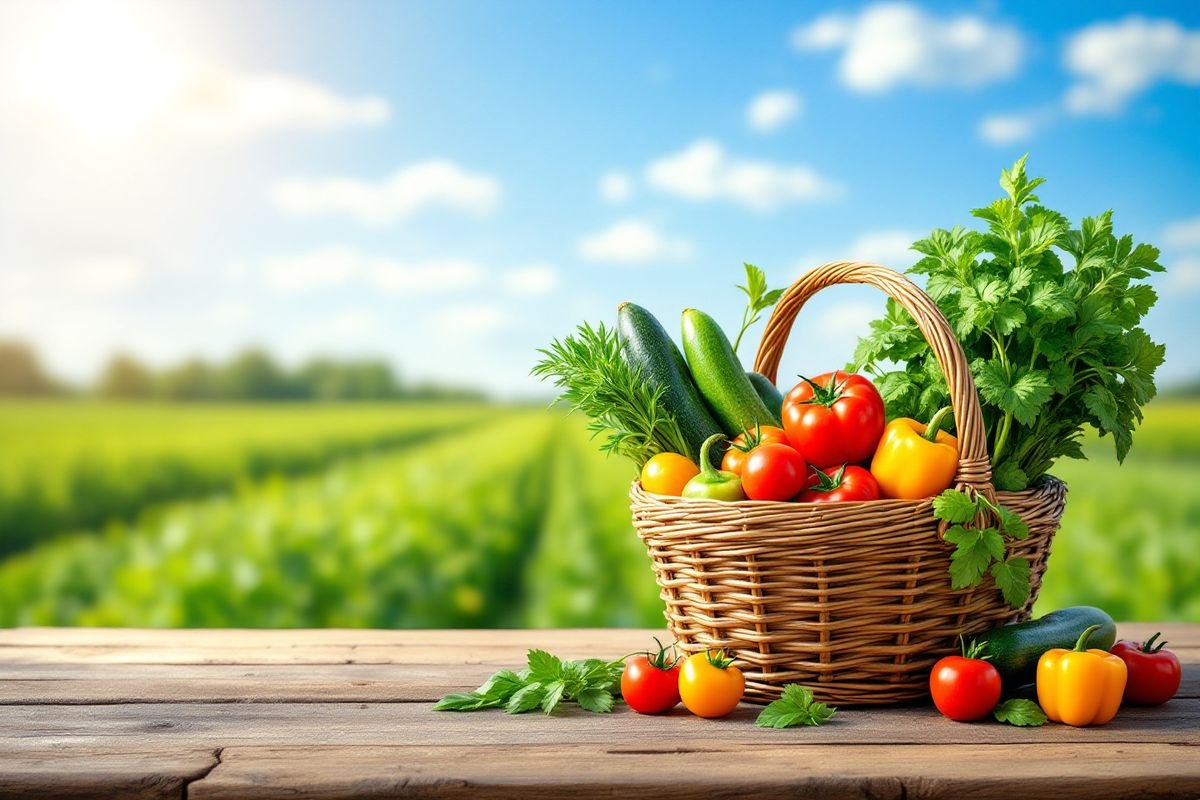
This week, buy a few tomatoes and split them. Keep half in the fruit bowl and put half in the fridge for two days, then taste them side by side at room temperature. You will not need convincing after that. If you want to go further, our guide on how to choose fresh fruits and vegetables like a pro covers what to look for at the shelf, and the vegetables aisle is a good place to start.
Filed underSourcing
Keep reading
All articles Sourcing5 min readOrganic vs regular: what should you actually choose?Where the premium genuinely buys you something, and where it very honestly does not.
 Sourcing6 min readOur growers: the Vale orchard, twelve years onOne family, four hundred trees and a harvest that still moves entirely by hand.
 Guides7 min read10 essential grocery items every home should haveThe short pantry list that turns a bare kitchen into one that can cook almost anything on a Tuesday night.