Kitchen5 min read
Batch cooking for people who hate batch cooking
Three components on a Sunday, six dinners by Friday — without a single identical plate.

Marcus BellFounder & head buyer · 25 Dec 2026
Most batch cooking fails on Wednesday. Sunday goes well, the fridge fills with identical tubs, and by the third night of the same curry you are ordering a takeaway and quietly binning the rest. The fix is not to cook more on Sunday. It is to cook less, and to cook parts rather than meals. Three plain components, made in about two hours, can become six different dinners between Sunday night and Friday, each finished in fifteen or twenty minutes with something fresh.
Why whole meals go wrong
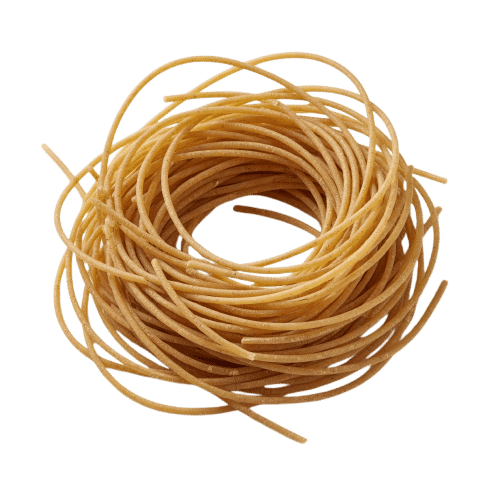
A finished dish has already made every decision for you. The seasoning, the texture and the portion size are fixed on Sunday, and by midweek your appetite has moved on. Components stay flexible. A pot of plainly cooked lentils can be a warm salad, a soup or a side; a tray of roast chicken can go into pasta, rice or a wrap. You keep the slow, dull work in one session and leave the quick, enjoyable part for the evening.
The other advantage is honesty about time. Nobody wants to spend a whole Sunday cooking. The plan below takes roughly two hours, and most of that is the oven and the hob working while you do something else.
The three Sunday components
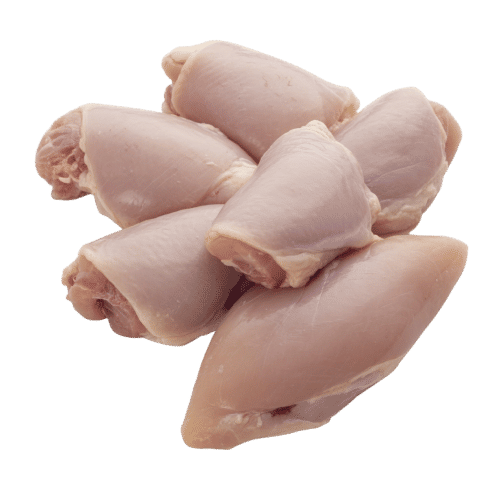
1. A tray of roast chicken thighs
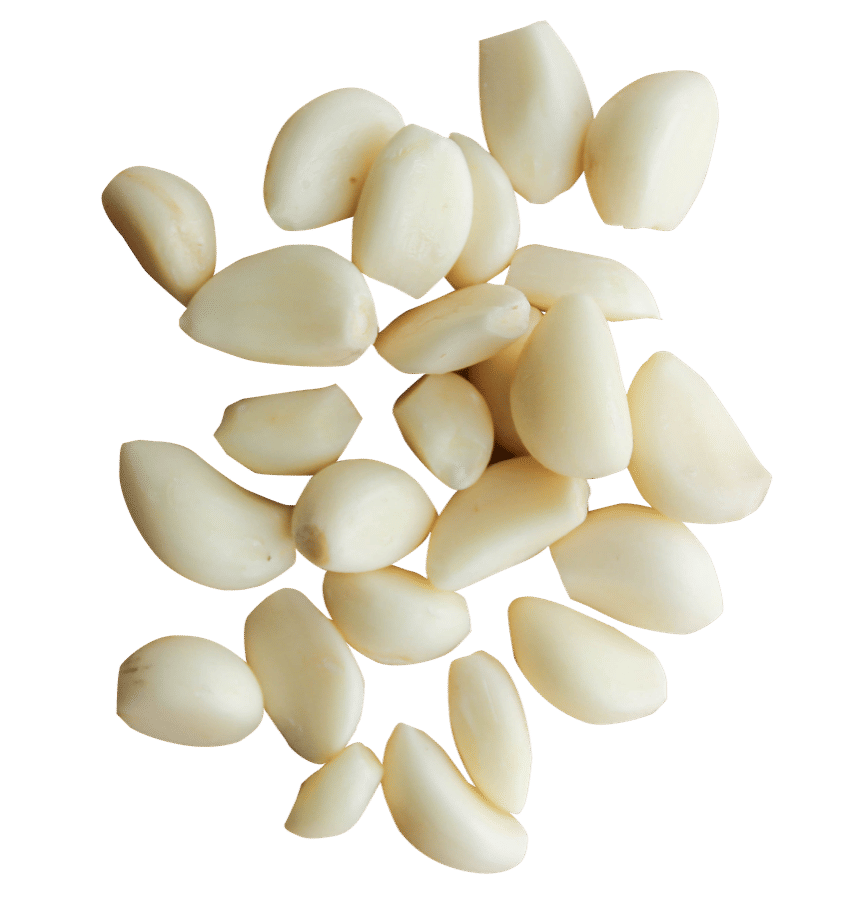
Skinless thigh fillets are forgiving. They stay juicy where breast dries out, and they reheat well. Toss a kilo with olive oil, salt, a crushed garlic bulb's worth of cloves and a little smoked paprika, then roast at 200 °C for about 25 minutes, until the juices run clear and the thickest piece reaches 75 °C in the centre. Keep the seasoning deliberately simple; each dinner will add its own character.
Shop this
Keep reading
All articles Kitchen5 min readHow to store herbs so they last a fortnightStems in water, leaves out of the draught — small habits, dramatic difference.
 Guides7 min read10 essential grocery items every home should haveThe short pantry list that turns a bare kitchen into one that can cook almost anything on a Tuesday night.