Health5 min read
Meal planning for a household of one
Portioning, freezing and shopping small without wasting half of everything.

Marcus BellFounder & head buyer · 13 Dec 2026
Cooking for one is not cooking for four, divided by four. Recipes are written for families, packs are sized for families, and the half bag of spinach that goes slimy by Thursday feels like a small personal failure. It is not. It is a planning problem, and it has three parts: how you portion, what you freeze, and how small you are willing to shop. Get those three right and a single person can eat well all week without throwing half of it away.
Plan around ingredients, not recipes
Most meal plans list seven dinners. For one person, that is the wrong unit. A better plan starts with three or four fresh ingredients for the week and gives each one two or three jobs.
Take a cabbage. On Monday a quarter of it becomes a crunchy slaw with carrot and lime. On Wednesday another quarter is shredded into a stir-fry. On Saturday the rest goes into a soup with lentils. One vegetable, three dinners that taste nothing alike, and nothing left over.
Good candidates for this are the ingredients that last well and change character depending on how you cook them:
- Cabbage, carrots and broccoli, which keep for a week or more in the salad drawer.
- Peppers and courgettes, which can be eaten raw, roasted or stirred into pasta.
- Eggs, which turn any leftover vegetable into a meal in ten minutes.
- A pulse or grain, which stretches everything else.
Shop this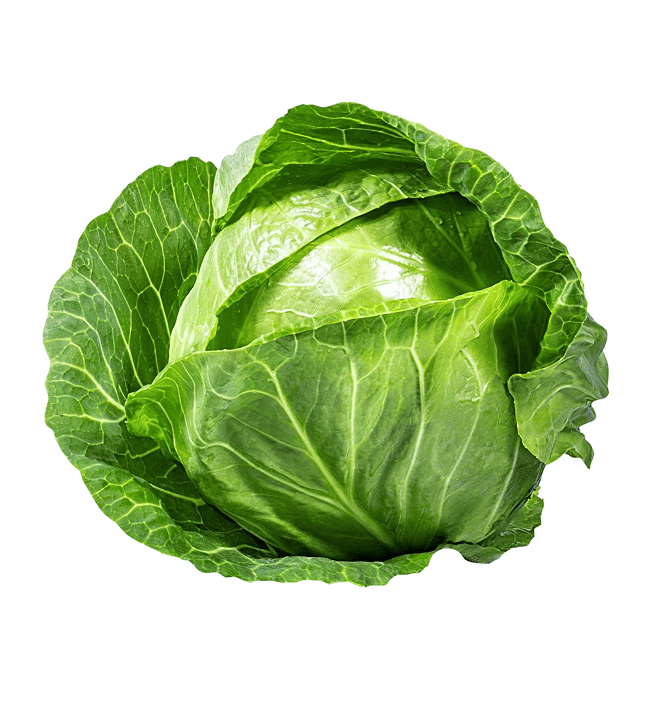
$2.95$3.80
Filed underHealth