Kitchen5 min read
How to store herbs so they last a fortnight
Stems in water, leaves out of the draught — small habits, dramatic difference.

Marcus BellFounder & head buyer · 17 Dec 2026

A bunch of parsley bought on Saturday is usually a damp, yellowing lump by Wednesday. That is not because herbs are fragile. It is because most of us store them in the worst possible way: squashed in their plastic sleeve, at the back of the fridge, where the cold air blows straight over the leaves. Treat herbs more like cut flowers, give the stems water and keep the leaves out of the draught, and most bunches will stay bright and usable for around two weeks. The method depends on which kind of herb you have, and there are only two kinds.
Soft herbs and hard herbs
Sort your herbs by their stems before you do anything else.
- Soft herbs have tender, green, bendy stems: parsley, coriander, dill, mint, chervil, tarragon and basil. They are mostly water, and they wilt when they lose it.
- Hard herbs have woody stems: rosemary, thyme, sage, oregano and bay. They contain less water and more aromatic oil, and they suffer more from damp than from drying out.
Soft herbs need a drink. Hard herbs need gentle humidity without being wet. Almost every storage mistake comes from treating one like the other.

The jar method for soft herbs
This is the habit that makes the biggest difference, and it takes two minutes when you unpack the shopping.
- 1Take the herbs out of their packaging and pick out any yellow or slimy stems. One rotting stem will spread to the rest.
- 2Trim the stem ends by a centimetre with a sharp knife, as you would flowers. A fresh cut drinks water far better than a dried, sealed end.
- 3Stand them in a jar with about three centimetres of cold water. Only the stems should be in the water; leaves sitting below the waterline rot quickly.
- 4Cover the leaves loosely with a clean, roomy food bag, tucked around the jar but not sealed tight. It holds a little humidity and shields the leaves.
- 5Put the jar in the fridge door or on a front shelf, away from the back wall, where the air is coldest and the fan blows hardest.
- 6Change the water every two or three days, and trim the stems again if they look cloudy.
Kept this way, parsley and coriander tend to last ten days to two weeks, sometimes longer. Dill and tarragon manage a little less. Mint is tough and often outlasts the lot.
Basil is the exception
Basil is a warm-climate plant and dislikes the cold much as tomatoes do. In the fridge its leaves blacken within a day or two. Keep it in a jar of water on the kitchen counter instead, out of direct sun and away from draughts from a window, oven or radiator. It should stay fresh for about a week. A potted basil plant on a bright windowsill, watered from below, will last far longer if you pick from the top.
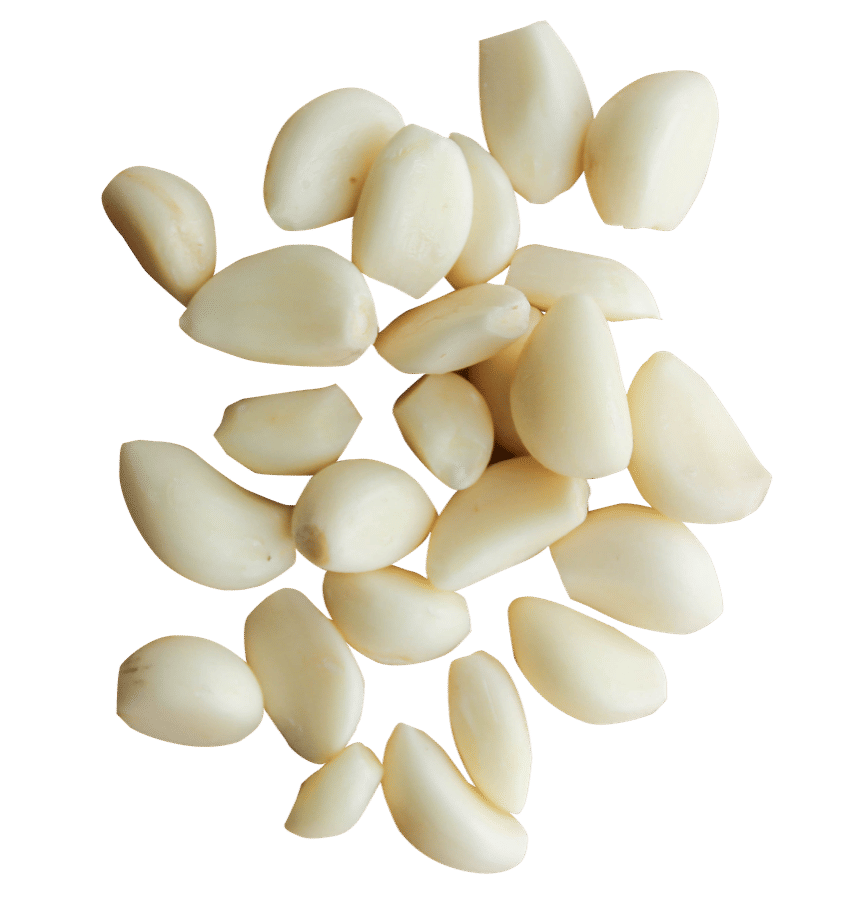
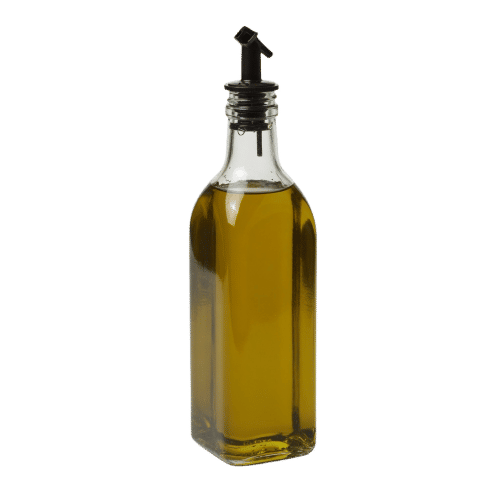
Basil's natural partners, ripe tomatoes, garlic and a good olive oil, also keep best out of the fridge, so they can share the same corner of the kitchen.
Shop this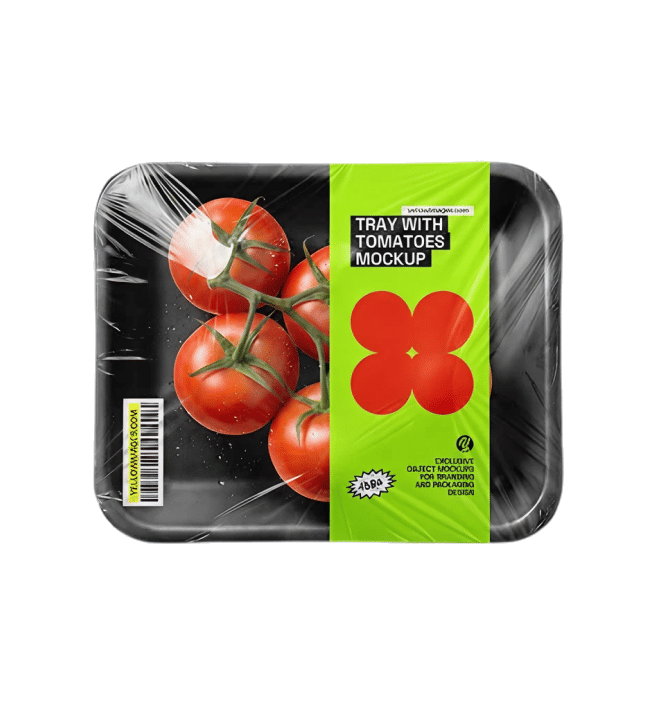
$6.10
$2.10
$8.90$10.50
Hard herbs: damp paper, not water
Rosemary, thyme, sage and oregano do not need standing in water. Instead:
- Wrap the bunch loosely in a sheet of kitchen paper that has been dampened and then wrung out until it feels barely moist.
- Put the parcel in a lidded container or a loosely closed bag.
- Store it in the salad drawer, where the humidity is higher and steadier.
Treated this way, rosemary and thyme often last two to three weeks. Check the paper every few days; if it has dried out, dampen it again, and if it is wet, replace it. As they age, hard herbs dry rather than rot, and dried sprigs are still perfectly good for roasting.
The same gentle, damp-but-not-wet approach suits other tender leaves too. A bag of baby spinach lasts longer with a sheet of dry kitchen paper tucked inside to catch condensation.
Shop this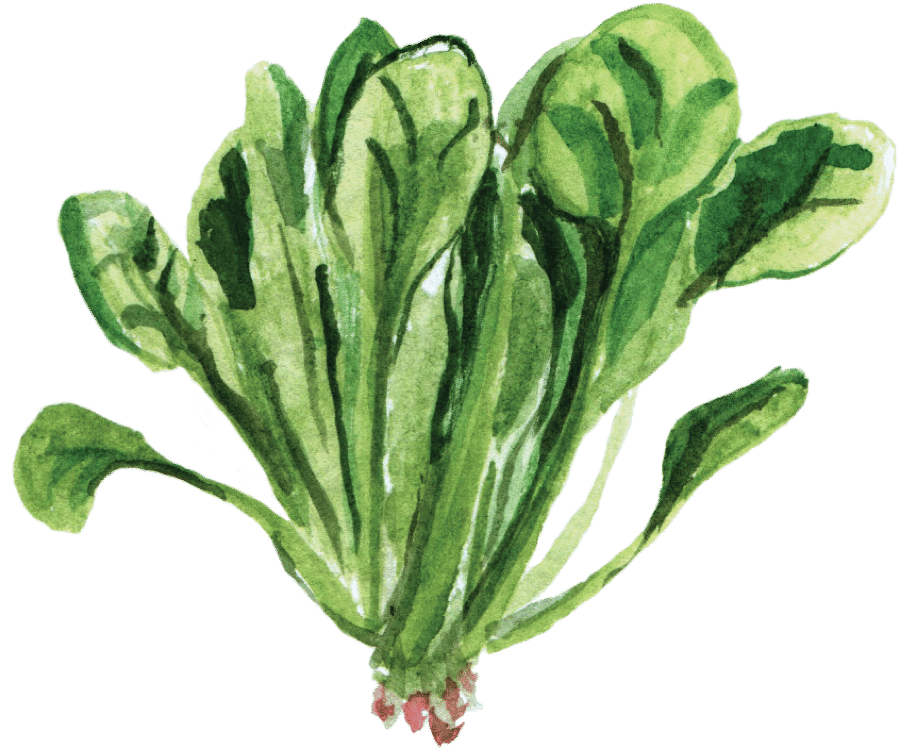
$2.40$2.90
Using up the last of a bunch
Even well-kept herbs eventually slow down. Before they turn, use them in something that does not need them to look perfect:
- Blitz soft herbs into a sauce with olive oil, garlic, a squeeze of lemon and salt. Salsa verde, chimichurri and a quick pesto all start here.
- Freeze chopped herbs in an ice-cube tray, topped up with water or oil, then tip the cubes into a labelled bag. They are for cooking rather than garnishing, and keep their flavour for a few months at −18 °C.
- Dry hard herbs by hanging a small bunch somewhere airy and out of the sun for a week or two.
- Add stems to stocks and soups. Parsley and coriander stalks carry more flavour than the leaves.
Shop this

$2.40
$4.60
Start with your next bunch
The next time you bring herbs home, unpack them before anything else. Trim, stand the soft ones in a jar with a loose bag over the top, wrap the hard ones in damp paper, and leave the basil on the counter. It takes less time than making a cup of tea, and by the second week you will still be cooking with the same bunch. Tender leaves like spinach are in salads and greens, and the lemons and oil to finish a herb sauce are in citrus and oils and vinegars.
Filed underKitchen
Keep reading
All articles Kitchen5 min readBatch cooking for people who hate batch cookingThree components on a Sunday, six dinners by Friday — without a single identical plate.
 Guides7 min read10 essential grocery items every home should haveThe short pantry list that turns a bare kitchen into one that can cook almost anything on a Tuesday night.
 Money5 min readSmart grocery shopping tips to save money every weekSmall habit changes at the shelf edge that quietly take twenty percent off a weekly shop.