The twelve jars, tins and bags that make a fridge raid feel like a plan rather than a panic.

Open the fridge on a tired evening and find half a courgette, two eggs and the end of a block of cheese, and one of two things happens. Either you order a takeaway, or you reach into the cupboard and make something good in twenty minutes. The difference is not skill. It is whether the right twelve jars, tins and bags are sitting on the shelf. Here they are, why each one earns its place, and how to keep them in good condition.
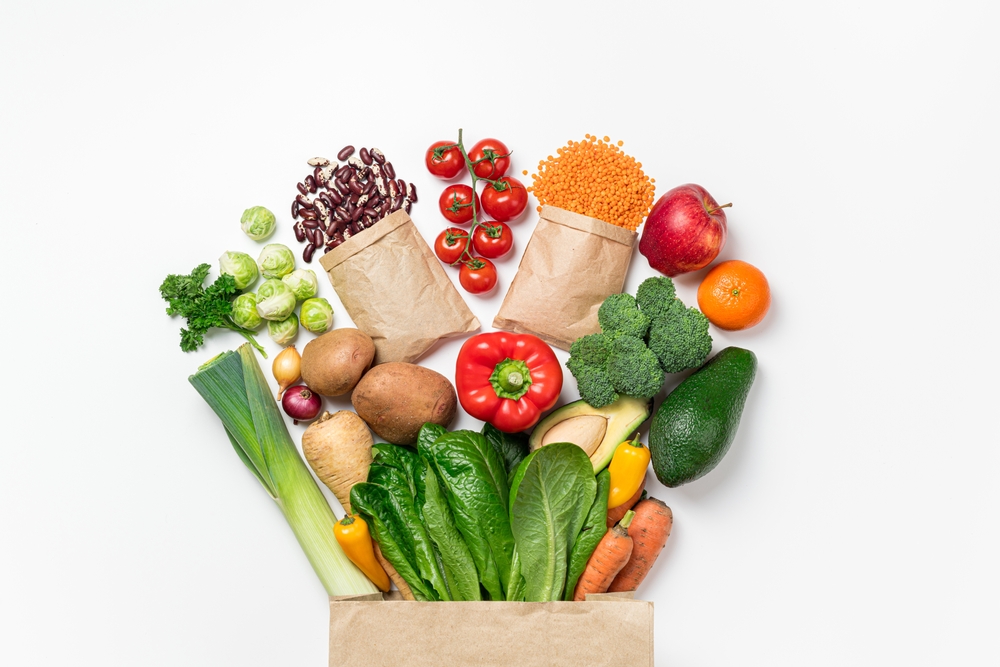
A pantry staple has to do three things. It has to keep for months without special care. It has to combine with most of the fresh food you buy. And it has to be something you will genuinely finish, rather than a jar bought for one recipe and found two years later. Everything below passes all three tests. If you already keep the basics in our list of ten essential grocery items, think of these twelve as the cupboard that sits behind them.
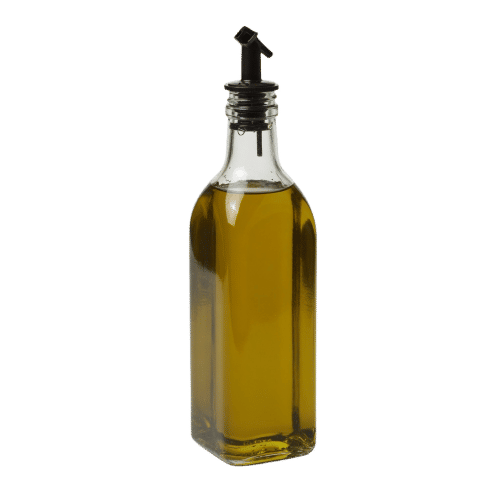
The one bottle that improves almost everything it touches: dressings, roasted vegetables, a bowl of beans, a slice of toast. Buy it in a dark bottle or a tin, keep it away from the hob, and aim to finish it within a couple of months of opening, as it loses its peppery freshness with air and light.
Red wine, cider or sherry vinegar. A spoonful lifts a stew, a lentil salad or a pan of softened onions in the way a squeeze of lemon does, and it keeps for years.
Two or three tins at all times. They are the fastest way to a sauce, a soup, a braise or a curry. Whole plum tomatoes tend to be better quality than chopped; crush them in the pan with a spoon.
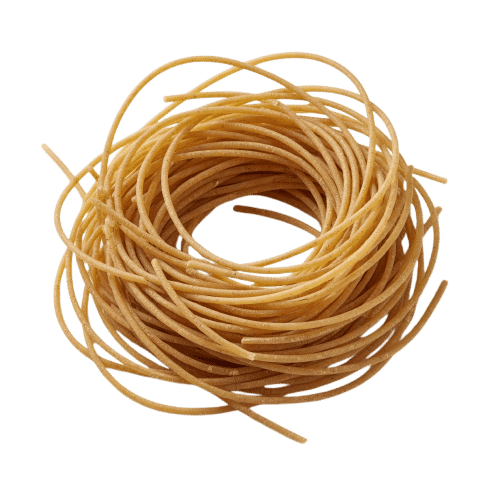
A bronze-die pasta has a rougher surface that holds sauce better, and it is worth the small premium. One long shape and one short one cover most nights.
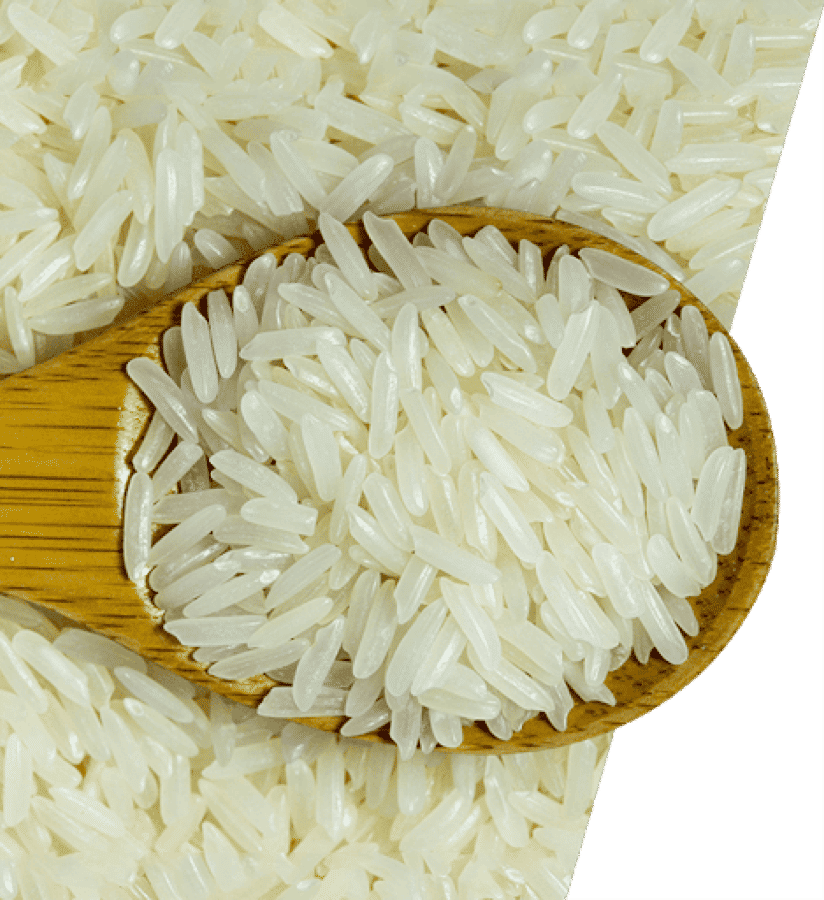
A long-grain rice such as aged basmati for anything with a sauce. It cooks in about fifteen minutes and turns a handful of vegetables and an egg into dinner.
Puy lentils hold their shape and make a warm salad in twenty-five minutes; red lentils collapse into soups and dals. Neither needs soaking. Keep at least one of each.
Ready in the time it takes to open the tin. Roast chickpeas with spices, stir beans into a tomato sauce, or mash them with olive oil and garlic onto toast.
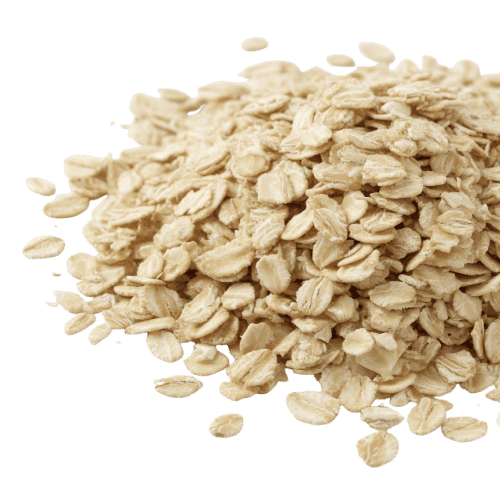
Porridge, overnight oats, crumble toppings, flapjacks, and a handful to thicken a soup. Jumbo oats keep more texture than fine ones.
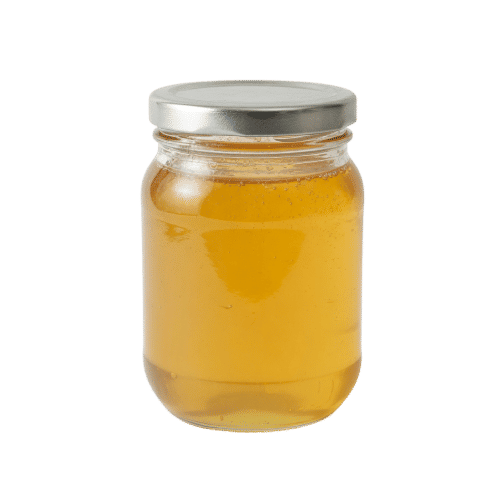
For porridge and yoghurt, but also for dressings and glazes: a spoon of honey with mustard and vinegar is a dressing in itself. Honey keeps almost indefinitely in a sealed jar. It should not be given to babies under twelve months.
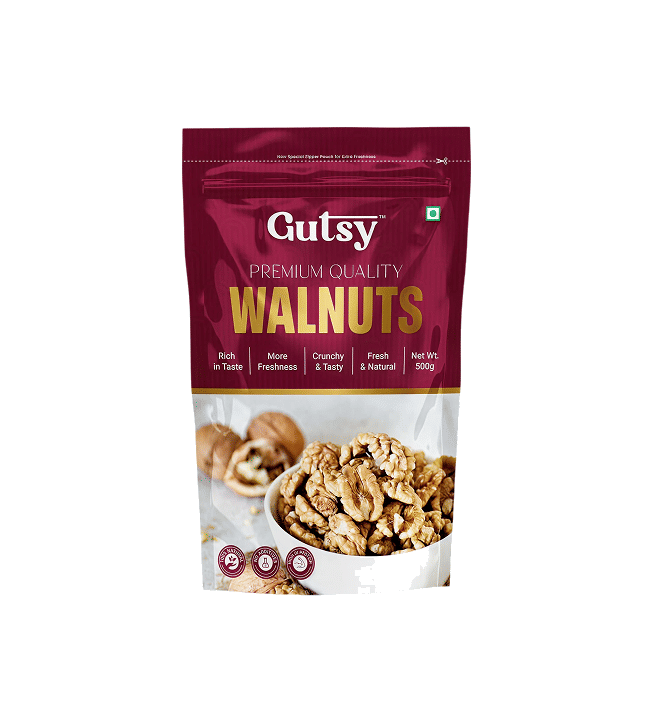
Crunch for salads, oats and roasted vegetables, and a quick pesto with garlic and oil. Because their oils turn rancid in the warm, keep them sealed and cool, or in the freezer if they will take more than a month or two to use.
Sardines, mackerel or tuna in olive oil. Stirred through pasta with lemon and chilli, piled onto toast or folded into a potato salad, a tin makes a proper meal with almost no cooking.
Stock concentrate, miso, a curry paste, harissa or good mustard: choose the one you reach for most. A spoonful turns water into a soup base or plain vegetables into a curry. Once opened, most of these belong in the fridge; check the label.

Dry goods fail for three reasons: air, light and damp. Decant pasta, rice, oats, lentils and nuts into sealed jars once the bag is open. It keeps them fresh, keeps out pantry moths, and lets you see at a glance what is running low. Store oils and nuts somewhere cool, not beside the oven.
Tins keep for a long time, but once opened the contents should go into a lidded container in the fridge rather than stay in the tin, and be used within a couple of days. Rotate as you shop: new tins and packs go to the back, older ones come forward.
Each of these uses a couple of fresh things plus the cupboard.

Go through your cupboard with this list and note which of the twelve are missing. Fill the gaps from the pantry aisle, the pasta and rice shelf and the nuts and pulses shelf on your next shop, and then read batch cooking for people who hate batch cooking to see how far a stocked cupboard can take you.