Health5 min read
Weekly grocery list: what to buy for a healthy lifestyle
A balanced trolley, planned once, that covers breakfast through dinner without repeating a meal.

Marcus BellFounder & head buyer · 20 Jan 2027

Eating well through a week rarely fails for lack of good intentions. It fails on Wednesday evening, when there is nothing in the fridge that goes together and the easiest option is the least balanced one. The fix is to plan the trolley once, around a handful of ingredients that each turn up in several different meals. Below is one such list, written for two adults, and a week of twenty-one meals built from it: seven breakfasts, seven lunches and seven dinners, with no meal repeated.
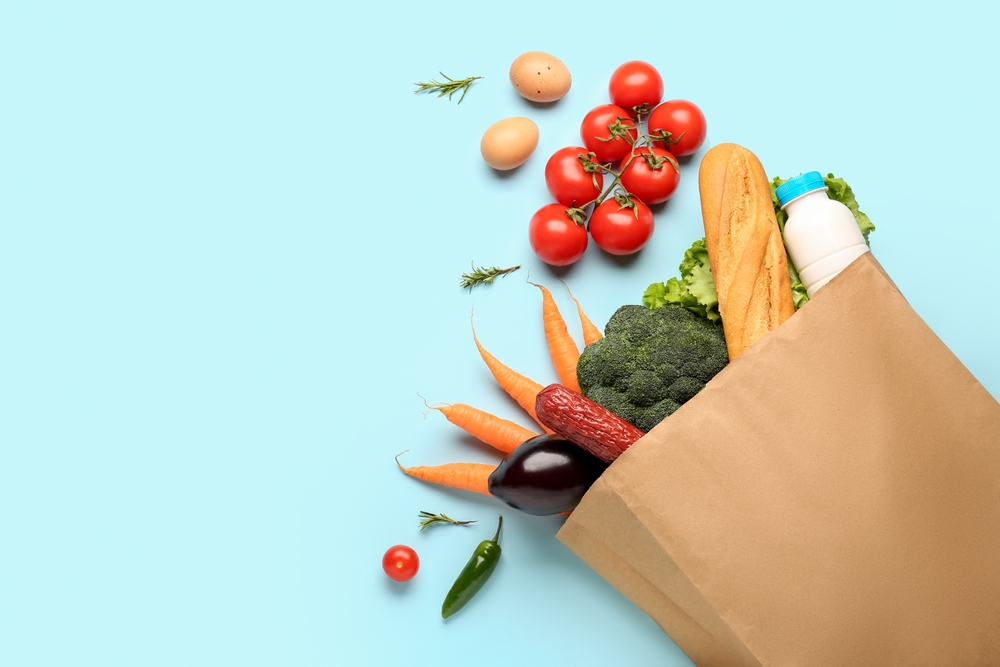
How the trolley is built
A balanced week does not need a nutritionist, just a simple shape. For many people a useful rule is that roughly half of each plate is vegetables or fruit, a quarter is a protein and a quarter is a starch, ideally a wholegrain one, with a little good fat to finish. The list follows that shape across the whole week rather than meal by meal.
The other principle is overlap. Every fresh ingredient on the list appears in at least two different meals, so nothing is bought for a single recipe and left to wilt. Whatever fruit the meals do not use becomes the week's snacks. Hardy vegetables carry the second half of the week; delicate ones are used first. Proteins are split between fresh for the early days and frozen for the later ones.
The list
Quantities are for two adults with reasonable appetites. Adjust from there.
- Fruit: a bunch of bananas, six apples, a punnet of blueberries, four kiwis, two lemons, a bag of frozen mixed berries.
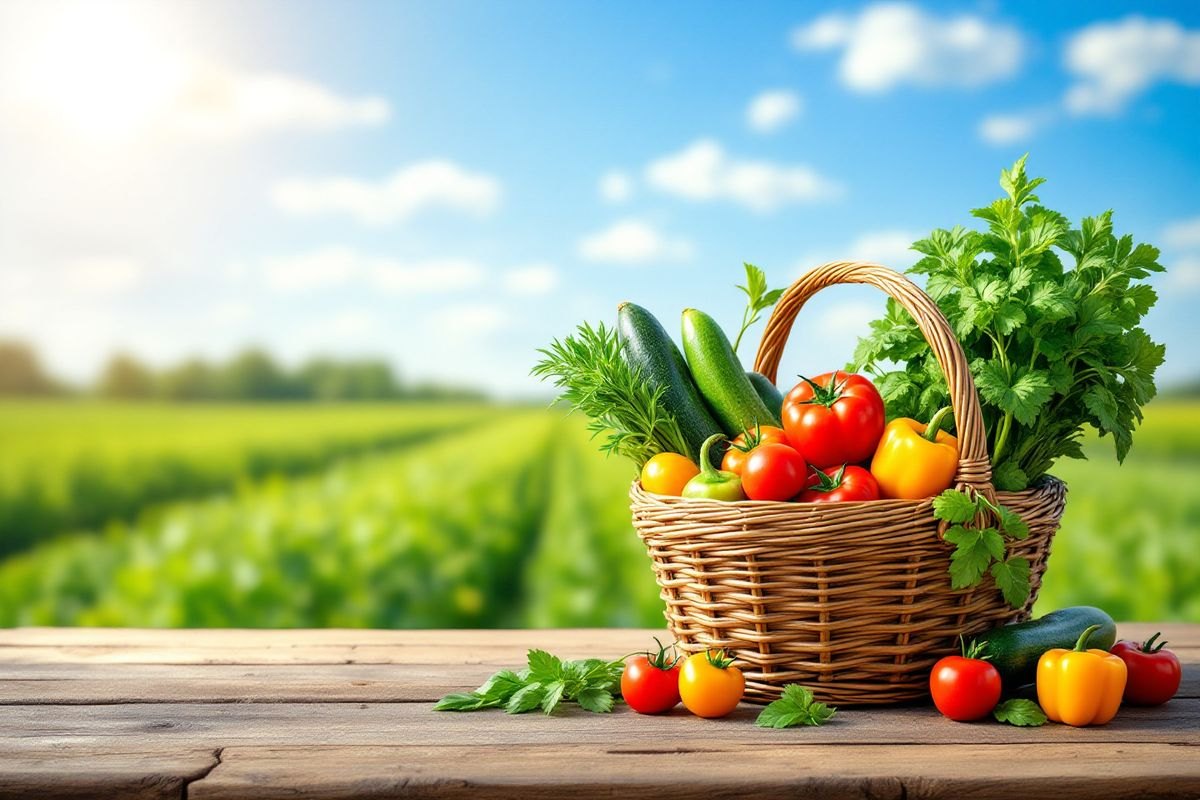
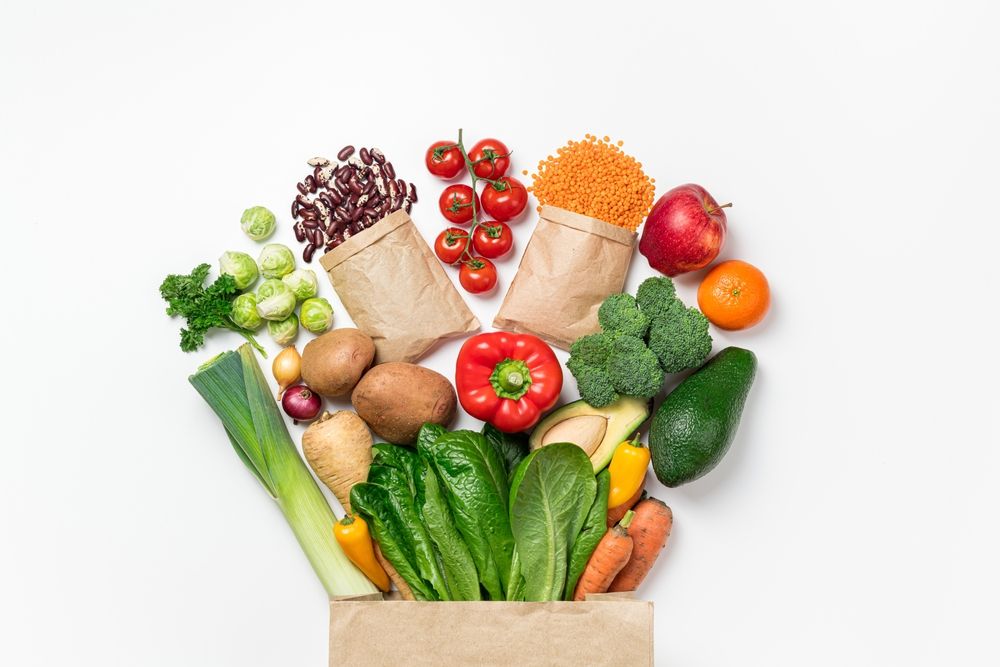
- Vegetables: a bag of baby spinach, three mixed peppers, three courgettes, a head of broccoli, a small green cabbage, a kilo of carrots, a bag of baby potatoes, four red onions, a bulb of garlic, a tray of vine tomatoes, a cucumber, two avocados, a bag of frozen peas.
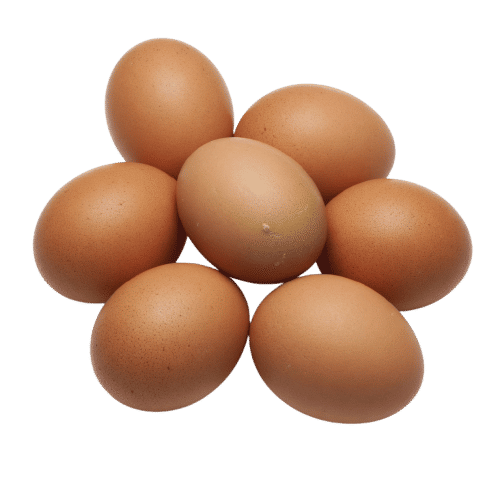
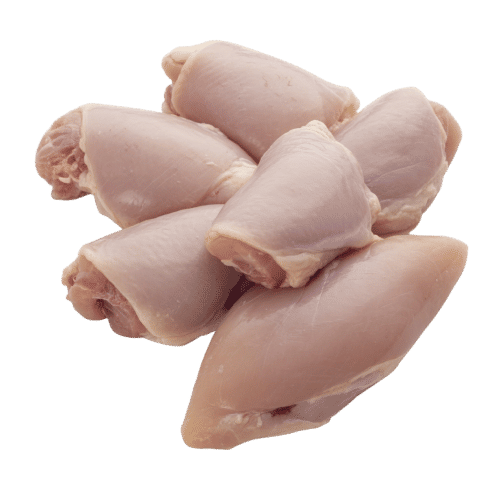
- Protein: a dozen eggs, four chicken thigh fillets, two cod fillets, two salmon steaks, a bag of Puy lentils, a tin of chickpeas.
- Dairy: a large pot of natural yoghurt, milk, a block of mature cheddar.
- Grains and pantry: jumbo rolled oats, basmati rice, wholemeal bread, spaghetti, walnuts, honey, olive oil, a tin of chopped tomatoes.
Shop this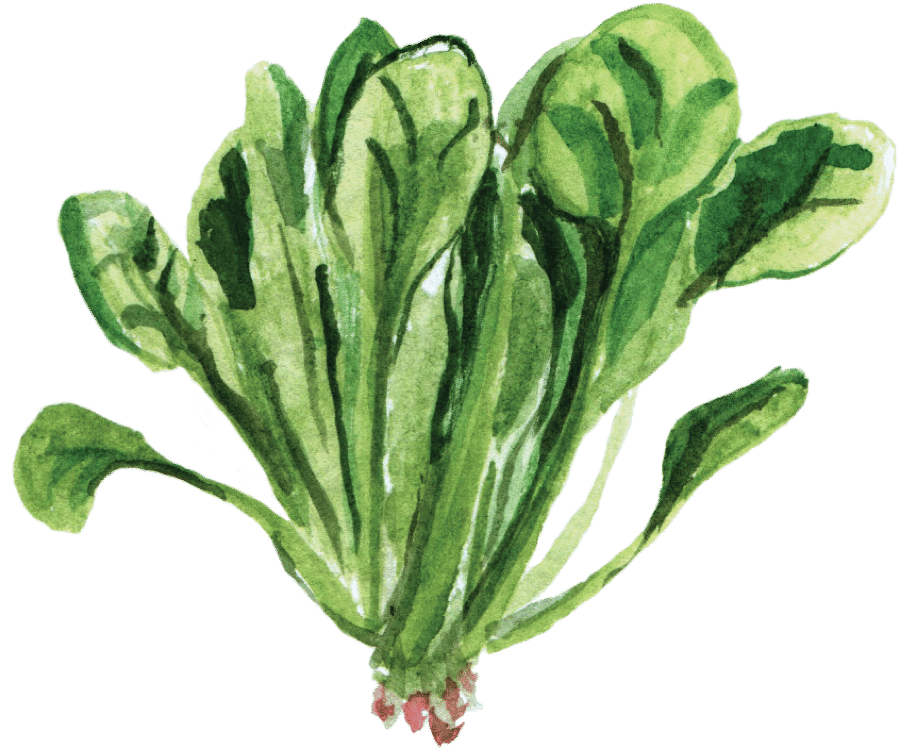


$2.40$2.90
$3.60$4.40
$2.60$3.20
Seven days, twenty-one meals
Each day lists breakfast, lunch and dinner. Some lunches use the previous night's leftovers, but always as a different dish.
- 1Monday — porridge with sliced banana and walnuts; wholemeal toast with avocado, tomato and lemon; roast chicken thighs with peppers, red onion and baby potatoes on one tray.
- 2Tuesday — yoghurt with blueberries and honey; chicken, spinach and cucumber salad from last night's spare thigh; cod baked with tomatoes and garlic, with rice and broccoli.
- 3Wednesday — scrambled eggs with spinach on toast; rice salad with peas, cucumber, lemon and chickpeas; spaghetti with courgette, garlic, lemon and grated cheddar.
- 4Thursday — overnight oats with apple and cinnamon; Puy lentil salad with roasted peppers and red onion; salmon with crushed baby potatoes and charred cabbage.
- 5Friday — two boiled eggs with toast and sliced kiwi; warm potato and broccoli salad with walnuts, spinach and lemon; lentil and tomato stew with carrots, served with rice.
- 6Saturday — berry smoothie with frozen berries, banana, oats and yoghurt; cheddar and cabbage slaw toastie; chickpea and vegetable curry with spinach and peas.
- 7Sunday — courgette and pepper omelette; carrot and lentil soup from the last of the stew base, with bread; a Spanish-style tortilla with potatoes, onion and peas, with a tomato and cucumber salad.
Shop this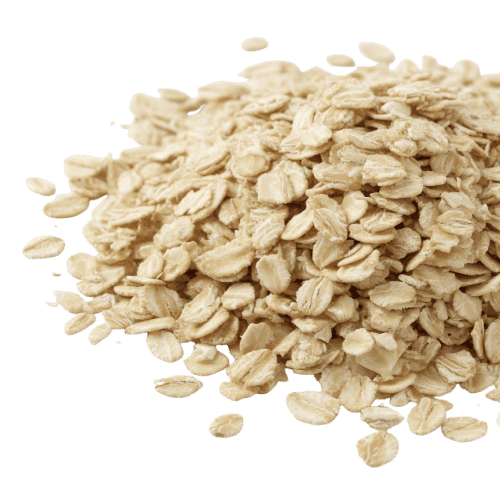
$3.15$3.90
$3.90$4.50
The order matters. Fish and spinach are used in the first half of the week while they are at their best. Cabbage, carrots, potatoes and lentils carry the last three days because they keep well. The frozen peas and berries are there as insurance.

Making the list stretch
Three habits keep this kind of week on track.
Prep once, early. On the evening of the shop, wash and dry the spinach, cut the peppers into strips and cook a pan of Puy lentils. They take around twenty-five minutes and hold their shape for three or four days in the fridge. That single half hour makes most of the week's lunches a matter of assembly.
Store things where they last. Tomatoes and bananas stay out of the fridge. Spinach goes in the salad drawer with a sheet of kitchen paper in the bag to absorb moisture. Fish goes on the bottom shelf, where it is coldest and cannot drip onto anything else. Keep the fridge at or below 5 °C.
Freeze before it is too late. Check the use-by date on Thursday's salmon. If it falls sooner, freeze it on the day you buy it and thaw it in the fridge overnight before cooking.
Shop this
$11.20$13.50
$8.60$9.90
Adjusting for your household
For one person, halve the fresh produce and protein, keep the pantry quantities the same, and lean on the freezer; our guide to meal planning for a household of one goes into detail. For a family, double the grains and potatoes first, since those are cheap and filling, then add proteins as needed.
If you do not eat meat or fish, replace the chicken with a second tin of chickpeas and the fish with eggs or extra lentils. The structure of the week stays exactly the same.
Write your own version
Take this list and cross out anything your household will not eat, then swap in the nearest seasonal equivalent. Keep the overlap principle and the order of the week. Build it from the vegetables aisle, the fruit aisle and the pantry aisle in one sitting, and for a head start on the mornings, read breakfast that survives a weekday morning.
Filed underHealth
Keep reading
All articles Health5 min readMeal planning for a household of onePortioning, freezing and shopping small without wasting half of everything.
 Health5 min readBreakfast that survives a weekday morningFive assemblies, none of them requiring a pan or a decision before coffee.
 Guides7 min read10 essential grocery items every home should haveThe short pantry list that turns a bare kitchen into one that can cook almost anything on a Tuesday night.